


Table of Contents
Negative seller feedback isn’t a reputation problem — it’s an operational signal. Most mid-7 to 8-figure brands make the same mistake: they treat feedback removal like damage control instead of governance. That’s how accounts drift from stable to suspended. The real danger isn’t the feedback itself; it’s not knowing what Amazon will (and won’t) remove, and accidentally creating compliance exposure.
This guide reflects Amazon policy reality — not seller forum myths. It’s a policy-compliant roadmap that clarifies the critical distinction between seller feedback and product reviews, explains what’s possible, and shows you how to protect your account. Feedback removal is an account governance function — not a support ticket. If you try to remove feedback Amazon considers valid, you don’t clean up risk—you create it.
At-a-Glance — Amazon Negative Feedback Removal
- Removal eligibility is policy-based — not emotional.
- Misaligned escalations increase Seller Performance scrutiny.
- ODR protection matters more than cosmetic rating repair.
- Sustainable brands fix root-cause systems instead of chasing removals.
Seller Feedback vs Product Reviews (Critical Distinction)
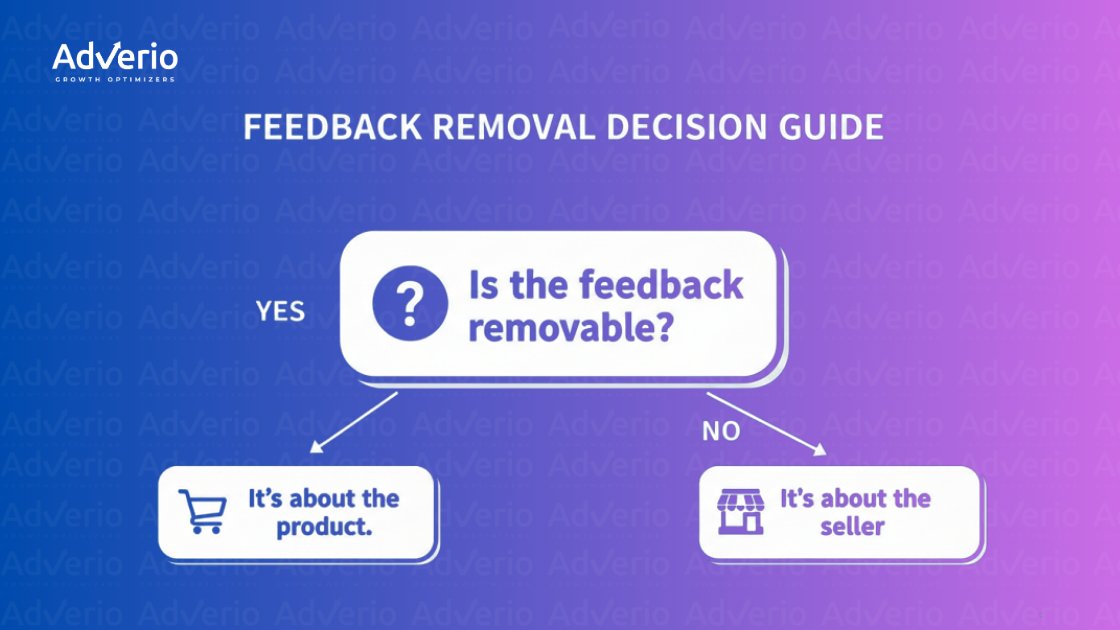
If you misunderstand this distinction, you create unnecessary compliance exposure. Seller feedback is Amazon’s report card on your operational performance. It impacts your Account Health, Buy Box eligibility, and Order Defect Rate (ODR). It answers the question: “How was the buying experience?”
Product reviews, on the other hand, are about the item itself. They impact conversion rates and sales velocity by answering the question: “How was the product?” Amazon treats these two metrics with ruthless distinction. Confusing them leads to rejected cases and unnecessary risk.
When Amazon Will Remove Negative Feedback
Amazon’s removal process isn’t a negotiation; it’s a policy-based transaction. Your request will only succeed if it fits neatly into one of these specific categories. Evidence and policy alignment matter far more than persistence. When removal is policy-eligible, brands often rely on structured escalation processes like our Amazon Critical Review Removals service.
Amazon is not evaluating fairness — it’s evaluating policy alignment.
Feedback That Violates Amazon Policy
These are the most straightforward cases for removal as they leave no room for interpretation.
- Fulfilled by Amazon (FBA) Issues: If the feedback is entirely about a fulfillment or customer service issue for an FBA order (e.g., late delivery, damaged box), Amazon will strike it through and add the message: “This item was fulfilled by Amazon, and we take responsibility for this fulfillment experience.” The feedback no longer counts against your metrics.
- Obscene, Promotional, or Irrelevant Content: Feedback containing profanity, hate speech, external links, or advertisements will be removed.
- Personally Identifiable Information (PII): Any comment that includes a buyer’s full name, email, phone number, or address is a strict violation and will be removed immediately.
Shipping & Carrier Errors Outside Seller Control
This primarily applies to FBM sellers using Amazon’s Buy Shipping services. If you shipped on time, and the feedback is solely about a delay or non-delivery caused by the carrier, Amazon may remove it. Platform errors or Amazon-caused delays can qualify — but only when documentation clearly proves seller non-responsibility. Assumptions get rejected. Evidence gets approved.
When Amazon Will Not Remove Feedback
Knowing which escalations to avoid protects your internal trust score. Pushing for the removal of valid feedback doesn’t just waste time—it signals to Amazon that you’re trying to hide operational problems instead of fixing them.
Legitimate Buyer Dissatisfaction
If a customer is genuinely unhappy with an experience you controlled, the feedback stays. This is the most common reason for rejection and includes legitimate complaints about:
- Product quality not meeting expectations.
- Poor communication or slow response times.
- Inaccurate or misleading listing information.
Review-Like Feedback That Is Still Valid
This is a common trap. A buyer might leave feedback saying, “This product is terrible, and the shipping was slow.” While 90% of that comment is a product review, the mention of “slow shipping” on an FBM order makes it valid seller feedback. The buyer’s opinion of the product doesn’t invalidate their legitimate experience with your service.
“If feedback reflects a real buyer experience, Amazon expects sellers to fix the system — not erase the signal.”
Why Aggressive Feedback Removal Attempts Backfire
Repeatedly opening cases for the same non-compliant feedback is a fast track to increasing your account suspension risk. Amazon’s systems are designed to detect this pattern of abuse. Once flagged, your account is placed under a microscope.
Amazon tracks behavioral patterns — not isolated cases.
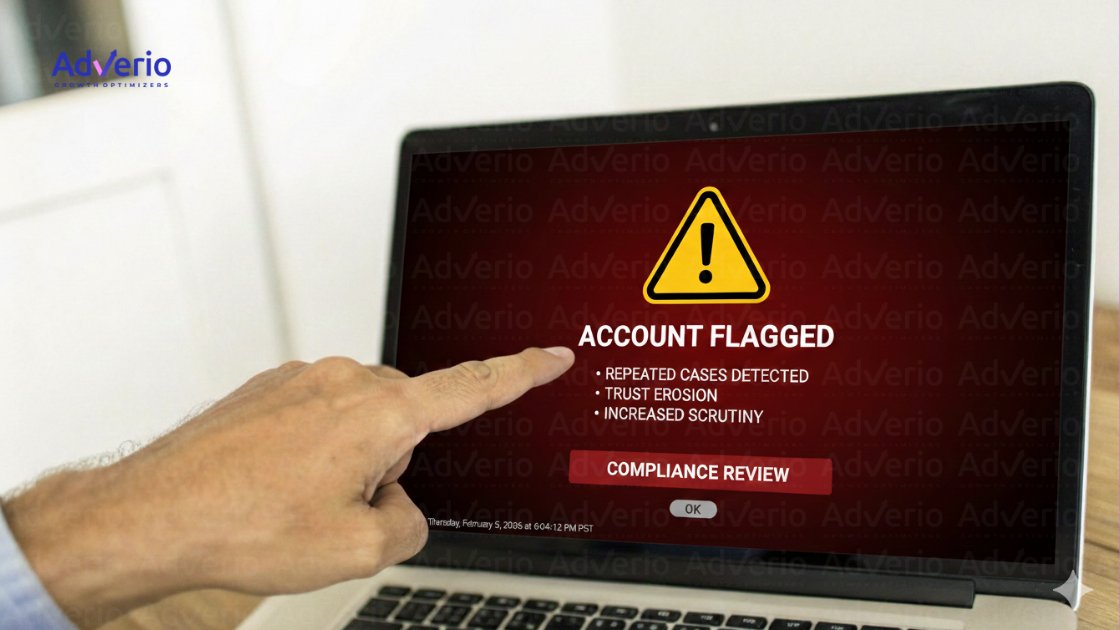
This pattern of behavior leads to increased seller performance scrutiny and long-term trust erosion with Amazon. Every baseless escalation weakens your account’s enforcement profile — impacting Buy Box stability, case outcomes, and long-term platform leverage. This approach prioritizes a cosmetic fix over operational integrity, which is the exact opposite of what Amazon values.
What to Do Instead of Chasing Feedback Removal
The highest-performing Amazon brands don’t optimize for removal. They optimize for systemic stability. Treat feedback not as a fire to be extinguished, but as free operational intelligence.
Prevent the Root Cause
Instead of trying to erase negative signals, fix the systems that create them.
- Fulfillment Clarity: Ensure your shipping and handling times for FBM orders are accurate and achievable.
- Messaging Hygiene: Use clear, concise language in your listings to set accurate buyer expectations.
- Expectation Setting: Your product detail page should under-promise and over-deliver, ensuring the customer experience aligns with what was advertised.
Many negative feedback issues originate from listing expectation gaps — something we address through Amazon Listing Optimization.
Feedback Monitoring & Escalation Logic
Develop a clear internal process. Differentiate between feedback that warrants a policy-based escalation and feedback that should be absorbed as a data point for operational improvement. This disciplined approach protects your account for the long haul.
How Adverio Approaches Feedback Risk
We treat feedback as a critical account health signal, not a cosmetic score. It’s a data point integrated into a holistic governance system that includes case management, compliance monitoring, and Buy Box stability analysis.
This sits inside our broader Amazon Account Management Services framework.

A removal is only pursued when it is 100% policy-aligned and strategically sound. Anything else is noise that increases your risk profile. This disciplined approach ensures we aren’t just cleaning up messes; we’re reinforcing the foundation of your entire Amazon operation.
“We optimize for account trust, not cosmetic scores.”
How Adverio Helps Protect Amazon Accounts
Feedback removal is a micro-action inside a macro strategy.
Our Amazon account management framework integrates:
- Account Health governance
- Compliance-first case escalation
- Listing accuracy optimization
- Buy Box defense systems
If feedback removal is your current focus, the real question is: what systemic issue allowed it to happen?
👉 Get Your Amazon Account Risk & Profit Forecast
FAQs
Can Amazon remove negative seller feedback?
Yes, but only when it cleanly violates Amazon’s published seller feedback policies. This includes containing obscene language, personal information, being entirely a product review, or relating exclusively to a fulfillment issue on an FBA order. It is not a negotiation; if the feedback is a legitimate reflection of a buyer’s experience, it will not be removed.
How long does feedback removal take?
For clear policy violations detected by Amazon’s automated systems (like profanity), removal can be almost instant. If a case requires manual review, it can take a few hours to a couple of days. Submitting only valid, policy-aligned requests is the fastest path to resolution.
Is negative feedback the same as a review?
No, they are completely different. Seller feedback is about your performance as a seller (shipping, packaging, communication) and impacts your Account Health. Product reviews are about the item itself and impact your product’s conversion rate. Confusing them leads to failed removal attempts.
Can you get suspended for feedback manipulation?
Yes. Any attempt to manipulate feedback—such as offering incentives for removal or repeatedly opening cases for valid feedback—is a serious violation of the Seller Code of Conduct and can lead to account suspension or a permanent ban. Amazon considers behavioral manipulation patterns more serious than isolated mistakes.
Should you respond to negative feedback?
Yes, but only when removal isn’t a policy-compliant option. A brief, professional public response to valid negative feedback shows accountability and can build trust with future customers. Never argue or make excuses. A thoughtful reply often has a more positive impact than making the feedback disappear.