

Let’s get one thing straight. Amazon brand management isn’t a checklist; it’s the operating system that determines whether a $3M–$50M Amazon brand compounds profit or bleeds margin. It’s the strategic playbook for building a defensible, profitable asset on the world’s largest marketplace. This goes way beyond basic account maintenance; it’s about orchestrating your brand’s identity, reputation, and customer journey at every single touchpoint on the platform.
Ditching the Checklist for a Growth Playbook
Too many brands treat their Amazon presence like a rental property. They pay for ads, upload some images, and hope for the best. That’s account maintenance—a reactive, task-based approach focused on keeping the lights on.
True Amazon brand management services are about building a moat, one that protects pricing, Buy Box control, and market share while competitors fight over scraps. It’s the difference between merely selling products and creating an intentional, cohesive customer experience that fosters trust, commands higher prices, and walls off competitors. Without a holistic strategy, you’re just a temporary tenant. With one, you own your digital shelf space.
This means every element must work in concert:
- Consistent Identity: Your listings, A+ Content, and Brand Store all speak the same visual and verbal language.
- Reputation Control: You’re not just reacting to reviews; you’re proactively managing sentiment and feedback loops.
- IP Protection: You actively police your brand against counterfeiters and unauthorized resellers who bleed your value dry.
- Customer Journey: From the first ad impression to post-purchase communication, the experience is seamless and reinforces your brand promise.
The core idea is simple: You can either compete on price and hope the algorithm favors you today, or you can build a brand that customers actively search for tomorrow. The former is a race to the bottom; the latter is the foundation of sustainable growth.
The Foundation of Brand Control: Brand Registry
The non-negotiable starting point for any serious brand on Amazon is getting enrolled in its Brand Registry program. Brand Registry is the control layer. Without it, you don’t own pricing, content, enforcement, or customer perception, as Amazon does. It’s the gateway that unlocks the essential tools you need to exert control over your brand’s narrative and security. Without it, you’re operating with one hand tied behind your back, completely vulnerable to listing hijackers and counterfeit sellers.
By enrolling, you gain access to a suite of features designed to protect and grow your brand equity. For any brand looking to move beyond just selling, exploring the full scope of Amazon Brand Registry benefits is the first critical step toward building a truly defensible market position. This isn’t just an administrative task; it’s a strategic move that signals you’re serious about long-term success on the platform.
If your brand is scaling revenue but losing control of margin, pricing, or Buy Box, that’s a brand management failure. Book Your ROI Forecast and see how Adverio makes it happen.
Core Elements of Amazon Brand Management
Table of Contents
Winning on Amazon isn’t about doing one thing well; it’s about executing a handful of things flawlessly, all at the same time. Think of it like building a house. A weak foundation or a leaky roof will eventually cause the whole thing to fail, no matter how great the windows are. Neglecting one pillar of your brand strategy compromises the entire structure, leaving you vulnerable to competitors and slowly eroding the trust you’ve built with customers.
To build a brand that’s both defensible and profitable on Amazon, you have to master several core areas. Each one serves a specific purpose, from locking down your legal rights to crafting the perfect customer experience.
This infographic breaks down the hierarchy perfectly, showing how day-to-day tactical execution builds long-term, valuable brand assets.
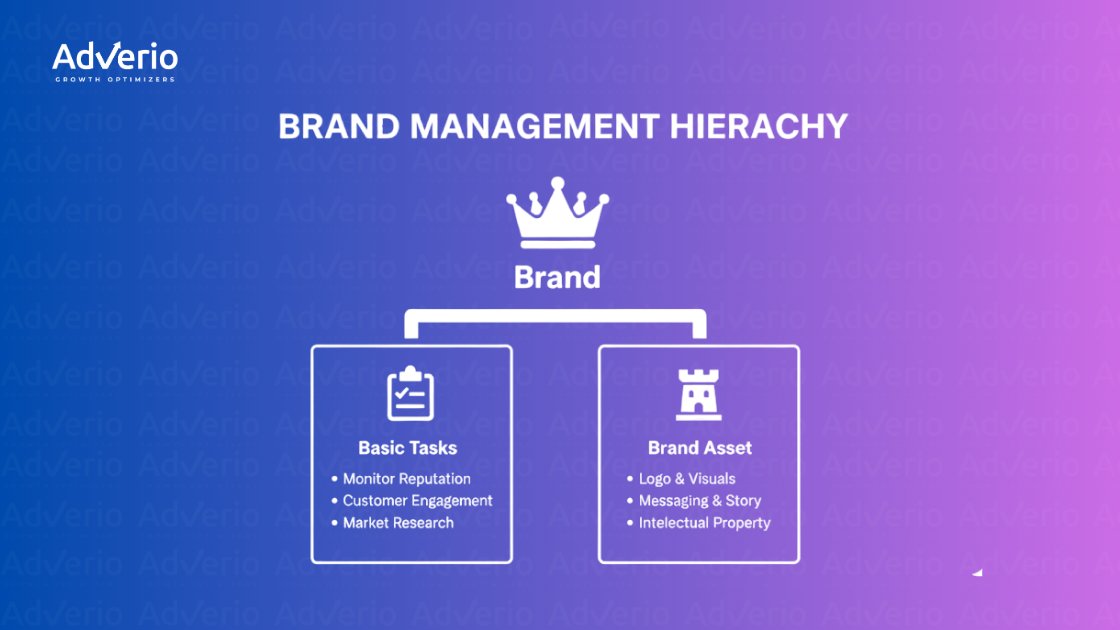
The key takeaway here is that consistent, tactical actions are what create a brand that can actually withstand the pressures of the marketplace.
To help you get a quick read on where you stand, here’s a simple checklist mapping these pillars to their strategic goals.
Amazon Brand Management Pillar Checklist
| Pillar | Key Action | Strategic Goal |
|---|---|---|
| Brand Registry | Enroll your trademark and gain full access to brand tools. | Establish ownership and unlock control over your listings and brand assets. |
| Listing Consistency | Optimize titles, images, bullets, and A+ Content for all products. | Maximize conversion rates and build a cohesive, trustworthy brand experience. |
| Storefront | Build a multi-page, branded destination for your full catalog. | Create a “brand home” on Amazon, increase repeat purchases, and boost ad ROI. |
| Reputation & Reviews | Implement a system for generating and monitoring customer reviews. | Build social proof, gather product feedback, and protect brand sentiment. |
| IP Protection | Actively use tools like Project Zero and Transparency to fight counterfeits. | Defend against bad actors, prevent revenue loss, and protect brand equity. |
This isn’t a task list, it’s a risk map. Every gap below is a direct leak in margin, control, or defensibility. If you have gaps in any of these areas, you’re leaving a door open for competitors to walk right through.
Optimized + Consistent Listings
Once you’re registered, all eyes turn to your digital shelf—your product detail pages. Inconsistency is a silent conversion killer. If a shopper clicks a sleek ad and lands on a sloppy, inconsistent product page, that trust you built evaporates instantly.
Your listings need to be a masterclass in persuasion, reflecting your brand’s voice across every single element. This is about more than just stuffing keywords; it’s about creating a cohesive story. The goal is for every single product page to feel like it came from the same brand, building a unified and trustworthy experience.
A+ Content is your best friend here. It lets you transform a boring wall of text into a rich, visual story. Well-executed A+ Content consistently improves conversion by reducing hesitation, objections, and comparison friction simply by answering customer questions visually and showing off what makes the product great.
For any brand with more than a handful of products, maintaining this consistency requires a system. Our guide on comprehensive Amazon listing optimization provides a clear framework for getting it right at scale.
Branded Storefront
While your product pages are the individual aisles, your Amazon Storefront is your flagship store. It’s a curated, multi-page destination where you control the entire narrative, completely free from competitor ads and other distractions.
A properly merchandised Storefront increases AOV, repeat rate, and Sponsored Brands efficiency, or it becomes dead shelf space. It lets you:
- Showcase your full brand story and what you stand for.
- Organize your catalog into smart, easy-to-shop collections.
- Create custom landing pages for your Sponsored Brands campaigns, which dramatically improves ad relevance and ROI.
- Drive repeat business by creating a memorable shopping destination. On average, brands with a Store see 31x more repeat purchases.
Review and Reputation Management
Reviews are the social currency on Amazon. Plain and simple. Your brand’s reputation is built—or broken—in the feedback section. Proactive reputation management isn’t just about damage control; it’s about systematically generating positive reviews and using the feedback you get to make your products even better.
A solid review strategy has three parts:
- Proactive Generation: Using programs like Amazon Vine to get a base of credible reviews for new products right out of the gate.
- Sentiment Monitoring: Keeping an eye on review trends to spot product flaws or customer service issues before they become huge problems.
- Customer Engagement: Responding to questions and professionally addressing negative feedback to show that you’re listening and you care.
Ignoring your reviews is like letting random strangers run your customer service department. It’s a risk no serious brand can afford to take.
Intellectual Property Protection
Finally, brand management is also about playing defense. The Amazon marketplace is full of bad actors looking to make a quick buck off your hard work. Protecting your Intellectual Property (IP) is an ongoing battle, not a one-and-done setup.
Thankfully, Amazon gives you some powerful weapons in this fight, accessible right through Brand Registry:
- Project Zero: Allows brands with a good track record to remove counterfeit listings themselves, without having to wait for Amazon to take action.
- Transparency: A serialization service that puts a unique code on every unit, letting both Amazon and your customers verify that the product is authentic.
Failing to enforce your IP is an open invitation for counterfeiters to steal your sales, crush your pricing, and permanently damage your brand’s reputation with shoddy knockoffs. This is the final pillar that defends all the value you’ve worked so hard to create.
Advertising and Brand Visibility: A Full-Funnel Approach
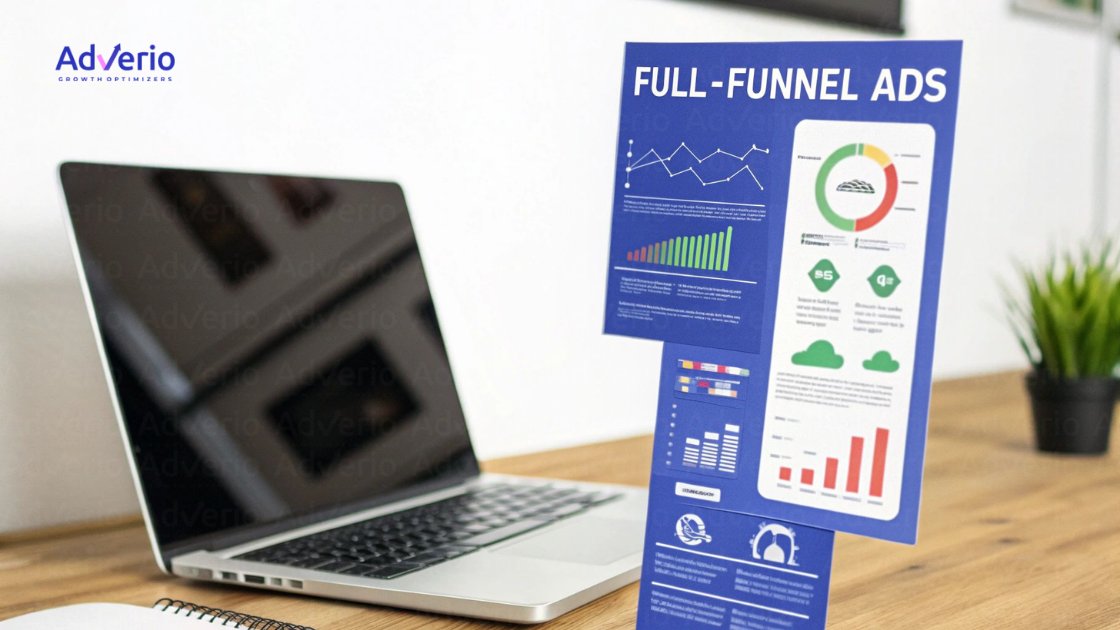
Most brands mistake performance marketing for growth. Without governed Amazon PPC management, accounts drift into efficiency obsession instead of real demand expansion. When advertising is treated as a sales lever instead of a growth system, brands cap themselves. True Amazon brand management requires a governed, full-funnel strategy, not tunnel-vision optimization.
Instead of just throwing money at bottom-funnel keywords, a winning strategy uses different ad types to walk customers from initial awareness all the way to loyalty. It’s about building brand recall and carving out market share, not just closing the next sale. This means looking past simple metrics to track things like “halo sales”—when a customer clicks an ad for one product but ends up buying another from your catalog—and your overall Share of Voice (SOV).
This shift in mindset is non-negotiable in a marketplace this fierce. Amazon’s ad division is a giant, with global revenue projected to hit a staggering $56.2 billion. Sponsored Products, the most common ad format, made up 68% of total ad revenue in a recent quarter. When you consider there are over 300,000 global sellers pulling in more than $100,000 a year and the average cost-per-click is $1.12, a brute-force approach to ads is just a fast way to burn through cash.
Layering Your Ad Strategy for Maximum Impact
A full-funnel model isn’t nearly as complex as it sounds; it’s just logical. You’re layering different ad formats to meet shoppers at every stage of their journey, making sure your brand is front and center from their first search to their final click.
Here’s a breakdown of how the layers work together:
- Top-of-Funnel (Awareness): The goal here is simple: introduce your brand to new people. Your main tools are Sponsored Brands and Sponsored Brands Video ads. They grab attention at the top of search results with custom headlines and logos, building recognition before a shopper even considers a specific product.
- Mid-Funnel (Consideration): Once a shopper knows you exist, you have to stay on their radar. Sponsored Display ads are perfect for this, letting you retarget people who viewed your products but didn’t buy. It keeps your brand top-of-mind as they browse on and off Amazon, gently guiding them back to your listings.
- Bottom-of-Funnel (Conversion): This is where most brands mistakenly spend their entire budget. Sponsored Products ads are the workhorses here, targeting high-intent keywords to capture shoppers who are ready to pull out their wallets. These ads pop up in search results and on competitor pages, driving immediate sales.
This layered approach ensures all your advertising efforts build on one another, creating a seamless experience that strengthens your brand over time. A deep look into the modern e-commerce advertisement strategies that fuel this kind of full-funnel success is a must-read for any serious brand.
Beyond Sponsored Ads with Amazon DSP
For brands ready to move beyond demand capture, Amazon DSP management unlocks audience-level targeting that goes far beyond keyword-based Sponsored Ads. While Sponsored Ads are brilliant for capturing existing demand on Amazon, DSP lets you go out and create new demand.
Amazon DSP is how brands move beyond demand capture and start manufacturing demand — if the catalog and pricing system can support it. It lets you retarget past purchasers, reach lookalike audiences based on your best customers, or even target shoppers who have viewed your competitors’ products. It’s the key to building a loyal, long-term customer base.
With DSP, you can run display and video ads across Amazon’s own properties (like IMDb) and a huge network of third-party sites. This transforms your advertising from a reactive tactic into a proactive brand-building machine. When you combine the surgical precision of Sponsored Ads with the massive reach of DSP, you create a truly unstoppable advertising flywheel. Our ultimate guide explains in detail what Amazon DSP is and how it can be used to build a dominant brand presence.
Common Brand Management Mistakes (and How to Fix Them)
If your Amazon growth has hit a wall or your profits are mysteriously shrinking, the problem probably isn’t your ad budget or even your product. More often than not, the real culprits are silent profit leaks—small, overlooked brand management mistakes that collectively drain your bottom line. These are the subtle gaps in your strategy that competitors quietly exploit and customers definitely notice.
Many brands get so wrapped up in driving traffic that they completely neglect the foundation that actually turns those clicks into cash. The result? Wasted ad spend, confused shoppers, and a brand that feels disjointed and untrustworthy. It’s like pouring water into a leaky bucket; you can pour all day, but you’ll never fill it. Plugging these leaks is the first, most crucial step to restoring profitability and building a brand that can actually defend its turf on Amazon.

Inconsistent Visual Identity
Inconsistent branding is a quiet killer of conversions. Think about it: a shopper clicks a sleek, professional Sponsored Brands ad and lands on a product page with clashing visuals, generic copy, and low-quality images. That disconnect is jarring. It shatters trust in a split second.
This inconsistency sends a powerful, negative signal to the customer: this brand isn’t professional. It instantly creates doubt about your product’s quality and your brand’s legitimacy, giving them every reason to click away and buy from a competitor with a more cohesive, buttoned-up presentation.
How to Fix It:
- Create a Brand Style Guide: This is non-negotiable. Define your brand’s fonts, color palettes, logo usage, and tone of voice.
- Audit Your Visuals: Go through your entire catalog and make sure every single image, video, and piece of A+ Content aligns with this guide.
- Standardize Your Copy: Use the same language, tone, and formatting for all your titles, bullet points, and descriptions. A unified brand experience reassures customers they’re buying from a real, reputable company.
Weak or Generic A+ Content
Look, just having A+ Content isn’t enough. Far too many brands treat it like a box-checking exercise, filling the space with generic lifestyle photos and repurposed marketing slogans. This is a massive missed opportunity.
Weak A+ Content does nothing to answer a customer’s real questions, highlight what makes you different, or guide them toward making a decision. It doesn’t build value or address their purchase anxieties, leaving shoppers unconvinced and far more likely to bounce.
Think of A+ Content as your best in-store salesperson. If they just stand there and look nice, they won’t sell a thing. It must actively engage, inform, and persuade.
How to Fix It:
- Focus on Benefits, Not Just Features: Don’t just list what your product does. Explain how it solves a customer’s problem or makes their life better.
- Use Comparison Charts: Make it easy for shoppers. Show them exactly how your product stacks up against competitors or other models in your own lineup.
- Incorporate Brand Storytelling: Connect with people on an emotional level. Share what your brand stands for and why you exist.
Transforming your A+ Content from a passive image gallery into an active sales tool is at the heart of effective Amazon conversion rate optimization. It ensures you capitalize on every single visitor you pay to bring to your page.
Not Enforcing MAP or Letting Unauthorized Sellers Take Over
If you’re not actively enforcing a Minimum Advertised Price (MAP) policy, you’re practically inviting chaos onto your listings. Unauthorized third-party sellers will inevitably show up, undercut your pricing, and trigger a race to the bottom that absolutely demolishes your margins.
Even worse, when these rogue resellers win the Buy Box, you lose all control over the customer experience. They might provide terrible service, ship counterfeit goods, or just ignore customer questions entirely—all of which directly damages your brand’s hard-won reputation. This is a classic Brand Drain, where bad actors siphon off both your revenue and your goodwill.
How to Fix It:
- Implement a Strict MAP Policy: Create a clear, ironclad policy and make sure every single one of your authorized distributors signs it.
- Utilize Brand Registry Tools: Get aggressive with the “Report a Violation” tool. Use it to remove unauthorized sellers and counterfeit listings without hesitation.
- Monitor Your Listings Relentlessly: You have to know who is selling your products and winning the Buy Box. Check regularly to identify violators the moment they pop up.
Protecting your price point is fundamental to maintaining profitability and brand value on Amazon. Taking back control of the Buy Box isn’t optional—it’s a non-negotiable part of any serious Amazon brand management strategy.
Why Brand Management Matters More Than Ever
The Amazon marketplace isn’t getting any less crowded. Relying on price wars or just cranking up your ad spend is a short-term fix, not a long-term strategy. Proactive Amazon brand management is no longer a “nice-to-have”—it’s the only real competitive advantage you have left.
The game has changed. Amazon’s own algorithm now heavily favors brand-registered sellers who deliver a consistent, high-quality customer experience. This isn’t a fluke; it’s a clear signal from the top that long-term survival is built on brand equity and customer trust, not just moving units.
The Stakes Are Higher in a Brand-First Marketplace
As the marketplace matures, so do its shoppers. Today’s customers are savvier than ever; they actively look for established brands they recognize and trust. A strong, cohesive brand presence is a massive driver for both that first sale and, more importantly, the loyalty that brings them back again and again.
This is where a holistic brand strategy becomes your fortress. It protects your pricing from a race to the bottom, defends your market share from hijackers, and builds a moat around your business that competitors can’t easily cross.
Investing in your brand today is the single most important down payment on your future growth in the Amazon ecosystem. It’s the difference between building an asset and just renting shelf space.
This shift mirrors the platform’s own evolution. Amazon’s brand value has exploded, a testament to the immense trust consumers place in it. This creates a powerful ‘halo effect’ for sellers on the platform, as Amazon’s credibility gives their own products a lift in visibility and conversion. For a deeper look, you can discover more insights about Amazon’s brand trajectory on Statista.com.
Why Consistency Is Your Best Weapon
In a sea of look-alike products, consistency is what makes you stick. Every single touchpoint—from your listing images and A+ Content to your Storefront and even your packaging inserts—has to tell the same story. This unified experience doesn’t just look professional; it builds the subconscious trust that turns a one-time buyer into a loyal advocate.
When every element of your brand is aligned, you kick off a powerful flywheel effect:
- Better Ad Performance: A strong brand experience leads to higher conversion rates, which in turn improves your ad relevance and lowers your costs. Simple as that.
- Higher Customer Lifetime Value (cLTV): Trust and recognition fuel repeat purchases, getting you off the expensive treadmill of constantly chasing new customers.
- Stronger Defensibility: A well-managed brand is harder to copy, harder to undercut on price, and harder to knock out of top search rankings.
In short, while your competitors are busy fighting over tenths of a percentage point on ACoS, you’ll be building a brand that customers actively search for by name. That’s the ultimate competitive edge.
How Adverio Supports Full-Funnel Brand Management
Let’s cut right to it. Most agencies sell activity. Adverio sells governed growth where ads, catalog, pricing, and inventory operate under one profit-first system. The result is a defensible, profitable brand asset that can actually dominate its category on Amazon.
Selling products is easy. Anyone can do it. Building a real brand is a different game entirely.
This is where our strategy really comes to life. We move beyond siloed tactics and reactive fixes by deploying our proprietary Growth Cultivator framework. It’s a complete system designed to transform your Amazon presence from a simple sales channel into a powerful brand-building engine, systematically plugging the profit leaks and smashing through the growth plateaus we’ve discussed.
This isn’t about just tweaking your ACoS or rewriting a few bullet points. It’s a fundamental shift in how you operate on the platform.
Your Dedicated Growth Pod
Forget the old, clunky account manager model. Our clients get a dedicated strategy pod—a specialized team of Growth Evangelists and Growth Optimizers with deep, hands-on expertise across PPC, DSP, creative, and operations. This structure ensures every single decision is integrated and aligned with your main goal: profitable growth.
Your pod owns outcomes revenue, margin, and market share, not disconnected tasks or vanity metrics—giving you the strategic horsepower to manage complex catalogs and navigate the ever-shifting Amazon marketplace.
We don’t just manage your account; we become your strategic financial partner. Our focus is on building a defensible brand that drives long-term enterprise value, not just short-term sales spikes.
An ROI-Backed, Profit-First Philosophy
Talk is cheap. Results are what matter. That’s why our entire model is built on an ROI-backed delivery guarantee. We literally put our money where our mouth is because we’re that confident in our ability to drive outcomes you can actually measure.
Our profit-first approach means we analyze every single lever—from ad spend and pricing to inventory velocity and review sentiment—through the lens of your bottom line. We use our own proprietary tools, like our Profit Pulse System (PPS) and SKU Resurrection analysis, to find and capture hidden margin opportunities that others completely miss.
To truly build a brand and not just sell products, you have to lean into innovative content like AI-generated UGC product videos for your product showcases. This is just one of many modern tactics we weave into a winning strategy.
This deep analytical capability allows us to identify what to scale, what to cut, and how to position your brand for maximum defensibility. In an ecosystem where AI is becoming the gatekeeper, understanding how to be the brand ChatGPT recommends isn’t just a forward-thinking idea—it’s a critical strategy we help our partners master.
If you’re ready to stop just selling products and start building a truly dominant brand on Amazon, the next step is crystal clear. Let’s quantify the opportunity together.
A Few Common Questions About Brand Management
Getting started on Amazon can feel like navigating a maze. As brands mature from just selling products to strategically building a real business on the platform, a few key questions always come up. Here are the straight-up answers.
What Is the First Step in Amazon Brand Management?
The absolute first move is to enroll in Amazon Brand Registry. Full stop.
Think of it as getting the deed to your digital property on Amazon. It’s the only way to unlock the essential tools you need to protect your brand, take control of your product listings, and access powerful features like A+ Content and Brand Stores. Without it, you’re just a guest on the platform with very little say over how your brand is presented.
How Is Brand Management Different from Just Running Ads?
This is a big one. Running ads is a critical tactic, but it’s only one piece of the much larger brand management puzzle. Advertising is all about driving traffic and capturing existing demand.
Brand management is the whole strategy. It’s the entire ecosystem you build around your products, which includes:
- Dialing in your listings for maximum conversion.
- Managing customer reviews and questions to build trust and social proof.
- Actively protecting your brand from counterfeiters and unauthorized sellers.
- Creating a cohesive, immersive experience with your Storefront and A+ Content.
It’s the difference between renting a billboard and building a flagship store. One gets eyeballs; the other builds a defensible asset.
Do I Need an Agency for Amazon Brand Management?
Honestly, you can handle a lot of this yourself, especially when you’re just starting out. But as your product catalog grows and the competition gets fiercer, the game changes.
Managing sophisticated advertising (especially DSP), protecting your intellectual property, and optimizing the entire customer journey becomes a full-time job that demands specialized expertise. An agency brings the strategic framework, proprietary tools, and a dedicated team needed to scale profitably and sidestep those costly mistakes that can set you back months. It lets you shift your focus from day-to-day tactical execution to high-level strategic oversight, ultimately protecting your bottom line while accelerating growth.
If you’re done chasing tactics and ready to govern growth, the next step is simple. Adverio acts as your strategic partner, deploying a profit-first approach to turn your marketplace presence into a powerful growth engine.