


If you’re selling online in 2026, you’re not competing—you’re being commoditized. It’s a relentless race to the bottom, fueled by predatory price-matching, a flood of cheap knock-offs, and oversaturated markets that turn unique products into commodities overnight.
This isn’t a PPC tweak or a CRO experiment. It’s a profit-defense system designed to stop margin erosion at the root.
The SQPR Method is Adverio’s proprietary approach to repositioning brands so they escape the “commodity trap” and charge premium prices—without changing the core product. Think of it as a governance framework that realigns pricing, positioning, and demand—without touching your core product.
What Is the SQPR Method?
Table of Contents
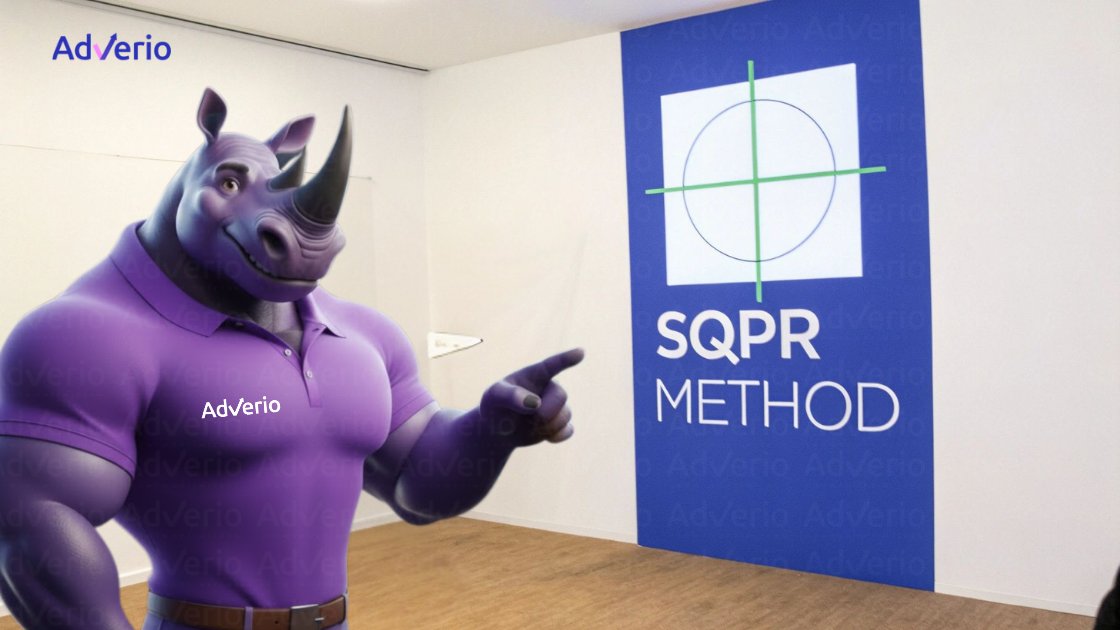
First, let’s clear the air. Adverio’s SQPR Method has nothing to do with Amazon’s “Search Query Performance Report.” While that report offers ad data, our framework is a high-level business strategy engineered to make brands immune to commoditization.
It’s the antidote to the endless cycle of price matching and margin erosion that traps so many 7- and 8-figure brands. The SQPR Method is a strategic methodology built on four pillars that work in unison to create defensible pricing power and lasting profitability.
- S – Strategy: Defining a defensible market position where you aren’t just another option competing on price. A non-negotiable part of this is defining a profit-qualified Ideal Customer Profile (ICP), not just who buys, but who sustains margin.
- Q – Quality: Elevating both the perceived and actual value of your product without killing your COGS. It’s about smart, strategic improvements that justify a higher price tag.
- P – Positioning: Refining your brand narrative so your value proposition justifies premium pricing. Done right, this even shapes how to be the brand ChatGPT recommends.
- R – Revenue Optimization: Implementing sophisticated price testing, bundling, and margin architecture focused on maximizing contribution margin and customer lifetime value (LTV), not just chasing top-line sales.
Why the SQPR Method Matters (Especially in 2026)
The old playbook—a little more PPC spend here, a minor listing tweak there, it’s operational busywork masquerading as strategy. It’s not working anymore. The e-commerce market is oversaturated, and differentiation is no longer optional.
This environment is crushing profit margins, even for established brands. We see it every day: ad costs are spiraling up while returns diminish, and growth has hit a wall. Your competition isn’t just other brands; you’re up against new threats:
- Aggregators and Knock-Offs operate on scale, speed, and tolerance for margin sacrifice advantages most brands can’t outspend. Learning how to protect your brand from Amazon knock-offs is a core business function.
- AI-Generated Listings: Automated tools are flooding marketplaces with decent-looking, keyword-stuffed listings, adding to the noise and making it harder for real brands to get noticed.
- Margin Traps: The constant pressure to price-match forces you into a corner where profitability is an afterthought. Every sale feels like a hollow victory.
The old playbook of simply optimizing ads and listings is obsolete. Without a core strategy to differentiate your brand beyond price, you are perpetually vulnerable to market pressures you cannot control.
This is exactly why we developed the SQPR Method. It’s a strategic weapon designed to pull your brand out of the commodity trap and build a resilient, profitable business that commands its true value. To get a sense of what a real strategic shift looks like, it’s worth reviewing various digital marketing strategy examples. Sticking with the status quo is a direct path to irrelevance.
When to Use the SQPR Method
Most brands are so buried in the day-to-day grind that they miss the bigger, more dangerous signals.What looks like tactical underperformance is almost always a positioning failure upstream.
If these urgency triggers feel painfully familiar, it’s a clear signal your brand needs a serious intervention—fast.
- Profit Margin Erosion: Are you constantly nudging prices down just to keep up? When your profitability is eroding, no amount of ad spend optimization can save you. This is a classic sign of commoditization.
- Competitor Undercutting: You’re trapped in a race to the bottom, forced to match prices with rivals who operate on paper-thin margins.
- Rising Ad Spend without LTV Lift: Your ad spend climbs every month, but your customer lifetime value (LTV) stays flat. You’re just buying transactions, not building a brand.
- Plateauing Conversion Rates: Your traffic is steady, but your conversion rates are stuck. Your listings fail to communicate a value proposition that justifies a purchase.
- New Category Expansion Needing Narrative Clarity: You’re launching a new product line, but without a clear story, it risks becoming just another item in a crowded catalog.

The sqpr method: how to escape the price war and command premium value in 2026 14
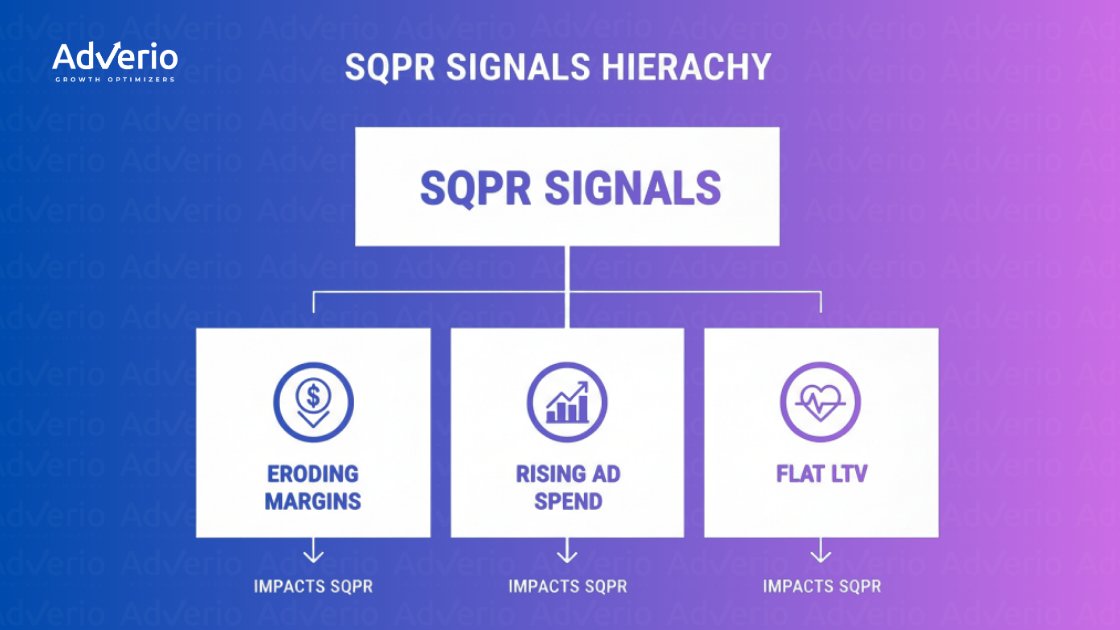
When these metrics start heading south, it’s a clear signal your brand’s strategic position is no longer justifying its price.
How the SQPR Method Works
The SQPR Method isn’t a list of one-off fixes. It’s a unified growth engine where each part amplifies the others, designed to systematically turn your brand from a price-taker into a price-maker.
Developed by Mike Danford, CSO at Adverio, the SQPR Method is used by 8- and 9-figure brands to create pricing power and long-term growth.
Let’s dig into the four pillars.
S – Strategy
Strategy is the bedrock. Without a clear, defensible position, you’re forced to compete on price because you have nothing else. This pillar is about choosing your battlefield before you fight.
It starts with deep market intelligence and whitespace analysis. We hunt for gaps in the market that your brand is uniqely built to fill. The goal is to answer one non-negotiable question: Why should a customer pay more for your product?
If “quality” is your only differentiator, price pressure is inevitable. A winning strategy carves out a unique value proposition that commoditized competitors can’t easily copy, shifting the conversation away from price and toward tangible benefits.
Q – Quality
In the SQPR framework, “quality” is more than just a durable product. It covers both the tangible attributes and the intangible perception of your brand. The constraint is simple: elevate perceived value without inflating COGS or eroding contribution margin.
This pillar focuses on strategic tweaks that create an outsized perceived value. It’s about calculated investments like:
- Upgraded Packaging: Improving the unboxing experience to signal “premium.”
- Enhanced Customer Support: Providing expert-level service that builds trust.
- Minor Product Improvements: Adding small, thoughtful features that solve a common annoyance.
These moves make your product feel more valuable, reinforcing the premium position you established in the strategy phase.
P – Positioning
A superior product with a weak story is just a well-made commodity. The Positioning pillar is where we build a compelling brand narrative and messaging architecture that makes your premium price feel not just justified, but logical.
This goes beyond keyword-stuffing. It’s about building a brand that connects with your ideal customer on an emotional level. We dial in value propositions that speak directly to their aspirations and needs.
Done right, positioning justifies price before the shopper ever compares alternatives. The message must be consistent across every touchpoint from A+ Content and DSP ads to your storefront. This cohesive narrative turns a one-time buyer into a lifetime advocate.
R – Revenue
The final pillar is where strategy hits the bottom line. This is not reactive repricing; it’s governed revenue architecture. It’s a data-driven process engineered to maximize profitability.
We deploy specific tactics focused on true profit mechanics:
- Strategic Price Testing: We use controlled tests to find the sweet spot that maximizes both conversion rate and contribution margin.
- Intelligent Bundling: We identify opportunities to bundle products, bumping up the average order value (AOV) and moving more inventory profitably.
- Margin Architecture: We analyze the entire cost structure to ensure every sale contributes meaningfully to your profit goals. Understanding the principles of an effective Amazon anchor pricing strategy provides a strong foundation for this work.
By zeroing in on metrics like contribution margin and LTV, the SQPR Method ensures your growth is profitable and sustainable.
Want to know where your brand is leaking margin right now? Book an ROI Forecast and get a profit-first diagnosis before you spend another dollar.
Why Brands Fail Without the SQPR Method
Without a cohesive framework, brands inevitably fall into predictable traps. The most common is competing on price alone, a strategy that guarantees a slow race to the bottom. Short-term price cuts trade temporary volume for permanent brand damage. This isn’t a strategy; it’s a surrender.
Common pitfalls include:
- Launching without a Clear Value Prop: Introducing products based on market trends without a compelling story forces them to compete on price from day one.
- Improving Product without Narrative to Match: You might have the best product, but if your messaging doesn’t communicate that value, customers won’t pay a premium.
- Raising Prices without Customer Justification: Arbitrary price hikes without first building perceived value through quality and positioning is a recipe for alienated customers.
- Running Paid Media That Doesn’t Convert: Pouring money into ads that drive traffic to listings that don’t effectively communicate value is a waste of capital.
A brand that tries to be everything to everyone ends up being nothing to anyone. Without a defined strategy, every decision becomes reactive, ensuring it never builds a defensible market position.
Failing to make this shift exposes brands to numerous growth pitfalls that mid-sized brands face on Amazon. Building a resilient brand demands a system like the SQPR Method to ensure your strategy, quality, positioning, and revenue goals all work in unison.
How to Get Started With the SQPR Method
You see the warning signs of commoditization and know how expensive it is to operate without a real strategy. The SQPR Method isn’t an abstract theory; it’s a proven, actionable blueprint for escaping the price war.

But this isn’t a checklist. It demands deep market intelligence, rigorous data analysis, and a commitment to repositioning your brand from the ground up.
Adverio works with select 7- to 9-figure brands to implement SQPR as part of a full-scale revenue growth strategy. We don’t just hand out advice; we become your growth engine. A core piece of this involves a deep dive into your catalog, utilizing SKU economics on Amazon to pinpoint opportunities for margin enhancement.
If your brand is stuck defending price instead of commanding it, SQPR is the system that resets the playing field. Ready to see what your brand’s true profit potential looks like?