


Table of Contents
Learn how to turn Amazon rank tracking into a predictable growth engine—connecting visibility, conversion, and profit into one system.
If you’re scaling a multi-SKU Amazon catalog and still relying on vanity metrics, you’re not just missing insights—you’re bleeding profit. When you learn to track Amazon ranking the right way, it stops being a number on a dashboard and becomes your most powerful growth lever.
Here’s the reality: rank is not a reporting metric—it’s a control lever for demand, conversion, and market share. Because knowing exactly where your product stands isn’t just about data—it’s the first step to building a predictable sales machine and, ultimately, dominating your category.
At a Glance
• Rank = visibility + sales velocity + conversion
• 3 metrics: Organic Rank | Keyword Position | BSR
• Rank tracking = input for PPC, CRO, and pricing decisions
• Daily tracking required for core keywords
• Biggest mistake: tracking without action
Why Your Amazon Rank Is a Growth Lever
Let’s stop pretending rank is just a number. Your Amazon ranking is a direct signal of your brand’s health and sales momentum on the platform. Proactively tracking it is simply non-negotiable for any serious seller.
It’s what transforms you from a reactive player into a market leader. It’s how you diagnose performance, spot opportunities, and make smarter bets with your ad spend and inventory.
But “ranking” isn’t just one number. It’s a collection of distinct, interconnected metrics that tell the complete story of your product’s visibility and sales velocity. Nailing these concepts is fundamental to scaling profitably.
The Three Pillars of Amazon Ranking
To truly get a performance grip, you have to monitor three core metrics. Each one gives you a different piece of the puzzle.
Amazon’s Core Ranking Metrics at a Glance
| Metric | What It Measures | Why It Matters for Growth |
|---|---|---|
| Organic Rank | Your product’s natural placement in search results for a specific keyword. | This is where real margin comes from. A high organic rank drives free, high-intent traffic directly to your listing, building a sustainable sales engine. |
| Best Seller Rank (BSR) | Sales volume compared to other products in the same category. | A low BSR signals strong sales velocity, which Amazon’s algorithm rewards with better visibility. It’s a direct indicator of market demand. |
| Keyword Position | The precise numerical spot (e.g., #1, #5, #23) your product holds for a target keyword. | This granular view tells you exactly where customers find you, helping you pinpoint which keywords are driving sales and where you need to focus your SEO and PPC efforts. |
Now, let’s break down what each of these really means for your day-to-day strategy.
-
Organic Rank: This is where your product shows up in Amazon’s search results for a specific keyword, like “bamboo cutting board,” without you spending a dime on ads.
-
Best Seller Rank (BSR): This metric is all about sales volume relative to others in the same category. The Amazon Best Sellers Rank (BSR) updates often, reflecting both recent and all-time sales—but it definitely weighs recent sales more heavily. For example, if your satin sheet set has a BSR of #4 in Home & Kitchen, it’s the fourth best-selling product in that entire category right now.

Amazon rank tracking: a profit-driven playbook for category domination 20 -
Keyword Position: Think of this as a zoomed-in view of your organic rank. It tracks your exact spot for a whole list of your target keywords, showing you precisely where customers are finding you (or not finding you).

Here’s a classic mistake: getting obsessed with BSR alone. While it’s important, a great BSR doesn’t guarantee you’ll show up for high-value search terms. Real growth comes from improving your rank across the keywords that your ideal customers are actually typing into the search bar.
From Data Points to Growth Strategy
Thinking about these metrics in isolation is a recipe for stalled growth. The real magic happens when you see how they influence each other.
A successful PPC campaign boosts sales, which then lowers your BSR. A lower BSR signals to Amazon that your product is popular, which in turn can improve your organic rank for related keywords. To truly own your niche, you need to understand that improving your digital shelf share of visibility is directly tied to maximizing these interconnected ranking signals.
By systematically tracking these data points, you stop guessing and start building a repeatable engine for growth. This isn’t just about watching charts go up and down; it’s about making informed decisions that directly impact your bottom line.
Building Your Rank Tracking Command Center
Raw data is useless without a system to make sense of it. If you want to track Amazon ranking effectively, you can’t just glance at a few numbers once a month. You need a command center—a central hub that gives you a clear, real-time view of your performance.
This isn’t about creating some monster spreadsheet that no one ever looks at. It’s about building a simple, automated system that flags opportunities and threats before your competitors even know what’s happening.
Tapping into Amazon’s Native Data Sources
Before you even think about paying for a third-party tool, you have to master the data Amazon gives you for free. Too many sellers overlook the goldmine sitting right inside Seller Central. The trick is knowing where to look and what to prioritize.
Your first stop should always be Amazon Brand Analytics. This is your direct line into customer search behavior. It’s literally Amazon telling you exactly what shoppers are searching for.
Next up is the Search Query Performance dashboard. This is, without a doubt, one of the most powerful datasets Amazon has ever released. Learning how to squeeze insights from this data is a non-negotiable skill for any growth-minded brand. For a deeper look, how to actually leverage Amazon Search Query Performance data for profit.
Finally, don’t forget your Search Term Reports in the advertising console. These reveal the actual customer search terms triggering your ads and leading to sales—an invaluable source for discovering new, high-converting keywords.
The Role of Third-Party Tracking Tools
While Amazon’s native tools are powerful, they have their limits. They don’t give you a clean, historical view of your product’s rank for specific keywords over time. This is where third-party tools earn their keep.
These tools are built to fill the gaps, offering features like:
-
Daily Keyword Rank Tracking: See your exact position for your most important keywords, updated every single day.
-
Competitor Monitoring: Keep an eye on how your rivals are performing for the same keywords you care about.
-
Historical Data Visualization: Spot trends over weeks, months, or even years to understand what’s really driving performance shifts.
-
Alerts and Notifications: Get an email the moment a major rank drop occurs, not a week later.
But not all tools are created equal. You’re always facing a trade-off between cost, accuracy, and features.
The right tool for a seven-figure brand is completely different from the one an eight-figure brand needs. Don’t just buy the most popular tool; pick the one that actually matches your goals and budget. Start simple. You can always scale up as your needs get more complex.
Here’s a glimpse of what you’ll find in the Brand Analytics dashboard, which is ground zero for your keyword research.
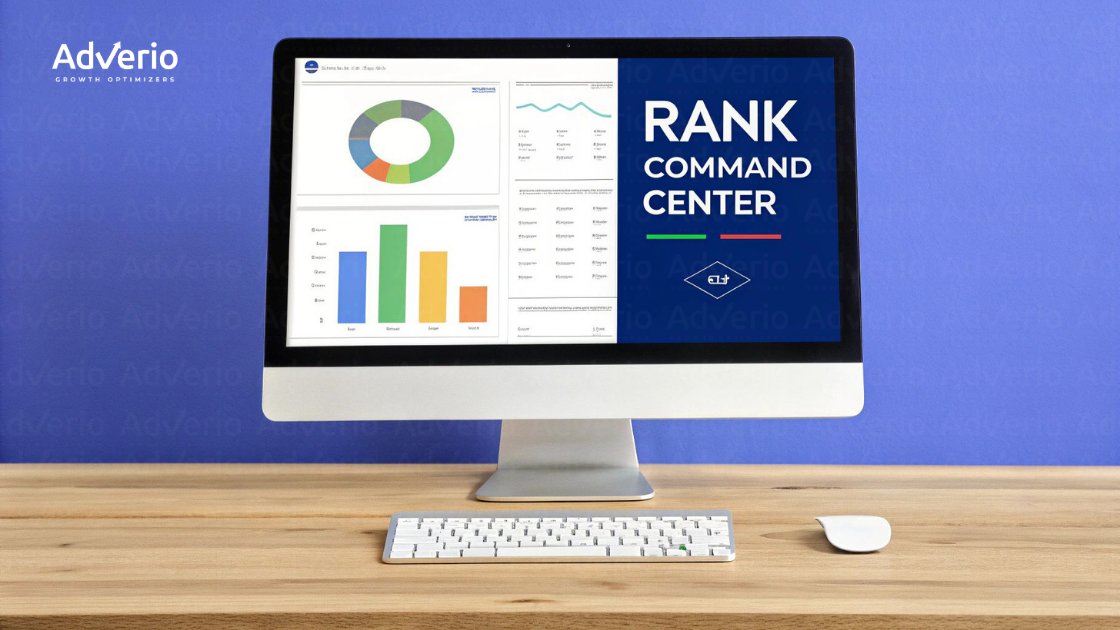
This dashboard breaks down the top search terms for a given period, letting you see which keywords are driving the most clicks and conversions across your entire category.
Setting Up Your Automated Tracking System
Okay, let’s put it all together. Building your command center is about creating a process, not just buying software.
First, be strategic about selecting your keywords and ASINs. Don’t try to track everything. Focus on the vital few:
-
High-Volume, High-Relevance Keywords: Your bread-and-butter terms that drive the bulk of your traffic.
-
Long-Tail, High-Conversion Keywords: More specific phrases that signal strong purchase intent.
-
Top Competitor ASINs: Track your main rivals to benchmark your own performance and spot their weaknesses.
Second, establish a tracking cadence. For your most critical keywords, daily tracking is a must. For secondary keywords, weekly is fine. The goal is consistency so you can spot trends reliably.
Finally, create a simple dashboard. Whether it’s inside your tool or a Google Data Studio report, you need one place to see everything at a glance. This is how you connect the dots and move from just collecting data to making profit-driven decisions.
If your tracking isn’t tied to profit decisions, it’s just noise.
See how our Amazon PPC Management Services turn rank data into scalable growth.
Connecting Rank Changes to Real-World Actions
Your product’s rank just jumped five spots. Or maybe it plummeted off the first page entirely. Now what?
This volatility isn’t random noise—it’s a direct signal from the market, and your job is to decode it. When you track your Amazon ranking consistently, you stop reacting to these shifts and start understanding them.
The goal is to move from correlation—”our rank went up after we changed the title”—to causation. You want to be able to say with confidence, “This specific change drove that specific result.” That confidence is the bedrock of a scalable growth strategy.
Attributing Rank Shifts to PPC Campaigns
Your Amazon PPC campaigns are one of the most direct levers you have on sales velocity and, by extension, your organic ranking. The moves you make in your ad console today can show up in your organic keyword positions within days.
When you make a significant change—like a major bid increase or launching a new Sponsored Brands video ad—you’ve just created an experiment. Isolate that change. For the next 7-14 days, keep a close eye on the organic rank for the keywords you’re targeting.
-
Did you aggressively increase bids? Look for a lift in both ad-driven sales and a corresponding bump in organic rank for that exact keyword.
-
Did you target a new set of keywords? Track your starting organic position for those terms and watch how your rank climbs as your ad generates sales.
-
Did you pause an underperforming campaign? Don’t be surprised if your organic rank for related terms takes a temporary hit.
This isn’t just theory; it’s a direct feedback loop. Your PPC data tells you which keywords convert, and your rank tracker shows you how those conversions are turning into organic dominance.
This is how you start building a high-incrementality Amazon PPC strategy.
Measuring the Impact of Amazon SEO
Unlike PPC, the impact of your Amazon SEO efforts—optimizing your title, bullet points, or backend keywords—is a slower burn. This is exactly why disciplined tracking is so critical.
Before you touch a single word on your listing, document your baseline. What is your current rank for your top five target keywords? What is your average conversion rate?
This is your control group. Without a clear “before” picture, you have no way to accurately measure the “after.” You’ll be left guessing whether your changes made a real difference or if it was just market noise.
After implementing a change, give it time. You need to let the change run for at least 30 days to collect enough meaningful data. Then, go back and compare. Did your conversion rate improve? Did your organic rank for relevant keywords start to tick upward?
By isolating one major change at a time, you can attribute performance shifts with much higher certainty. This is your playbook for building a proven Amazon listing optimization process that compounds over time.
Isolating Variables for Clear Answers
The biggest mistake founders make is changing too many things at once. They launch a new PPC campaign, update their A+ Content, and drop their price all in the same week. When sales go up, they have no idea which action was responsible.
To get clean data, you must isolate your variables. Think like a scientist running an A/B test.
-
Form a Hypothesis: “I believe adding a video to my listing will increase my conversion rate and improve my rank for ‘waterproof hiking socks’.”
-
Make One Change: Add the video. Don’t touch anything else.
-
Measure the Result: Track your conversion rate and keyword rank for the next 30 days.
This is the foundation of a structured Amazon growth testing framework.
This disciplined approach feels slower in the short term, but it’s the only way to build a real, repeatable playbook for growth. It’s a crucial step in developing a cohesive Amazon marketing strategy that delivers predictable results.
Understanding what drives sales also means knowing where demand is concentrated. Data shows that 32% of top bestsellers are in electronics, 28% in home and kitchen, and 19% in beauty. Using external traffic from sources like Google Ads can provide a ranking boost of 1.3x to 1.5x, proving that a strong off-Amazon presence is a powerful lever. You can explore more data on best-selling Amazon product trends to inform your strategy.
Your Emergency Plan for a Sudden Rank Drop
A sharp, sudden drop in your Amazon ranking can feel like a punch to the gut. One minute you’re on page one, and the next, your sales have flatlined. It’s a moment that sends a jolt of panic through even the most seasoned sellers.
But panic isn’t a strategy. You need a calm, methodical approach to diagnose the problem and get back on track—fast. This isn’t the time for guesswork. It’s time for a triage workflow that zeroes in on the most likely culprits.
The decision tree below gives you a clear, top-down process for figuring out what’s really going on, whether it’s a terrifying plummet or even a surprise jump in rank.
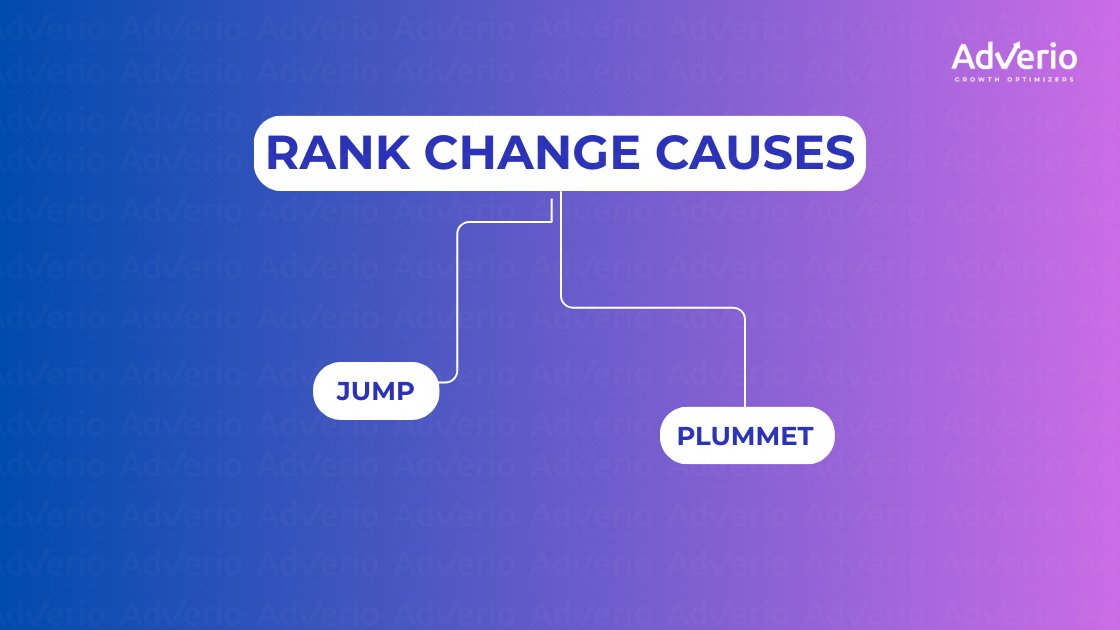
This visual guide helps you systematically work through potential issues, from internal factors like stock levels to external threats like competitor actions, ensuring you don’t miss a critical step in your diagnosis.
Investigate Your Inventory Levels
First stop, always: your inventory health. The A9 algorithm is absolutely ruthless when it comes to products that are at risk of stocking out. Why? A stockout creates a terrible customer experience.
Internal Amazon data shows that when a product’s stock dips below 30 days of available inventory, its organic ranking can take a nosedive. We’ve seen products fall from a top 5-8 keyword position to page two in a shockingly short amount of time.
If your inventory is looking thin, your immediate priority is to get a new shipment to FBA. Don’t wait.
Scan for New Competitive Threats
Okay, so your inventory is solid. The next likely culprit is external pressure. A new, aggressive competitor can storm into your niche and completely disrupt the landscape, seemingly overnight.
Here’s how to spot them:
-
Manually search your top keywords: Look for new faces on page one that weren’t there last week.
-
Analyze their strategy: Are they priced 15% below you? Are they running aggressive coupons or deals? Is their main image significantly better?
-
Use a rank tracking tool: The best tools let you monitor competitor ASINs. This will show you the exact moment their rank started to climb as yours began to fall.
Understanding a competitor’s playbook is the first step toward building an effective counter-attack.
Conduct a Listing Health Audit
Sometimes, the call is coming from inside the house. An accidental change or a technical glitch can cause your listing to be suppressed or de-indexed for key terms without any obvious notification.
A suppressed listing is invisible in customer searches. It’s the equivalent of your physical store being boarded up without your knowledge. If shoppers can’t find your product, nothing else matters.
Run through this quick audit checklist:
-
Check for Suppression: Head to “Manage Inventory” in Seller Central and look for any suppression alerts.
-
Verify Keyword Indexing: Use a third-party indexing tool (or just search
ASIN + keywordon Amazon) to make sure you’re still indexed for your most important search terms. -
Scan Recent Reviews: Has there been a sudden flood of negative reviews? A “review bomb” can absolutely tank your conversion rate and signal a problem to Amazon’s algorithm.
Diagnosing the cause of a sudden rank drop is a process of elimination. By methodically working through these potential issues, you can move from panic to a clear, actionable recovery plan. For a more detailed walkthrough, explore our complete guide on how to fix Amazon keyword ranking drops and reclaim your position.
Turning Rank Data Into Profitable Decisions
Tracking data is just the starting line. This is where most brands stall—tracking rank without a system to act on it.
Our Amazon Account Management turns rank data into coordinated action across ads, listings, and catalog. The real money is made when you stop admiring charts and start using those insights to make smarter, faster decisions that actually drive growth.
This is where your efforts to track Amazon ranking shift from a simple reporting task into a genuine profit-driving machine. If you aren’t connecting your rank data to your Conversion Rate Optimization (CRO), PPC, and listing optimization workflows, you’re leaving a massive opportunity on the table.
Fuel Your Conversion Rate Optimization Engine
Your keyword ranking data is a direct pipeline into customer intent. When you see a high rank for a specific keyword but a disappointingly low conversion rate, that’s a huge red flag. It’s a clear signal that your listing isn’t meeting the expectations of shoppers searching that exact phrase.
Use this insight to refine your listing with surgical precision.
This is exactly where our Amazon Listing Optimization Services turn high traffic into actual revenue
-
Rethink Your Main Image: You rank well for “insulated coffee mug for travel,” but does your main image instantly scream “travel-ready”? Show it in a car’s cup holder or a backpack.
-
Sharpen Your Title and Bullets: Your rank tracker tells you the exact phrases customers are using. Are those phrases woven into your copy? If they search for it, your listing should say it.
-
Upgrade Your A+ Content: Use your A+ Content to visually answer the questions implied by your top keywords. Ranking for “durable dog chew toy”? Show an infographic comparing your material’s strength to competitors.
This isn’t about guessing what customers want. It’s about using hard data to give them exactly what they’re looking for.
Fine-Tune Your PPC for Maximum Efficiency
Your organic rank and PPC performance are locked in a constant feedback loop. Integrating your organic rank data into your bidding strategy is how you maximize every single ad dollar.
Here’s a classic mistake: bidding aggressively on keywords where you already own the #1 organic spot. You’re often just paying for a click you would have gotten for free. Reallocating that spend to keywords where you’re on the cusp of page one (positions #5-#15) can deliver a much higher ROI.
Here’s a practical workflow to follow:
-
Identify “Striking Distance” Keywords: Filter your rank tracker for keywords where your organic position is between #5 and #15.
-
Increase PPC Aggression: Create targeted campaigns for these keywords. Use ad-driven sales to boost sales velocity and lift your organic rank.
-
Ease Off Top-Ranked Keywords: For keywords where you consistently hold a top-three organic spot, consider pulling back on your bids. Monitor your Total Ad Cost of Sale (TACoS) to ensure your overall profitability is improving.
This dynamic approach ensures your ad spend is always working to either defend your turf or capture new territory—never just wasting budget.
Evolve Your Listing and Keyword Strategy
Finally, your rank tracker is your best tool for ongoing listing optimization and keyword discovery. To truly turn this data into profitable decisions and react fast, leveraging techniques like real-time e-commerce analytics can give you a significant edge.
Use your rank data to create a continuous improvement cycle. This isn’t just about adding new keywords; it’s also about knowing which ones to prune.
A simple framework is to regularly review your tracked keywords and look for terms where you’ve never managed to crack the top 30, despite your best SEO and PPC efforts. These might be terms that are just too competitive or aren’t as relevant as you first thought. Removing them from your backend can free up “space” for Amazon’s algorithm to index you for more attainable, high-intent long-tail keywords. To really nail this, having a well-defined Amazon backend keyword strategy is essential.
By systematically applying these workflows, you connect the dots between data points and dollar signs. Your rank tracker becomes the central nervous system of your entire Amazon growth strategy.
How Adverio Turns Rank Data Into Profit
Most brands track rank. Very few operationalize it.
At Adverio, we connect rank tracking to:
-
PPC incrementality (not just ROAS)
-
Conversion rate optimization
-
Catalog and inventory decisions
This is part of our Growth Cultivator framework—where visibility, traffic, and conversion are governed as one system.
If you’re still treating rank as a dashboard metric, you’re leaving revenue on the table.
👉 Explore our Amazon Listing Optimization Services
Your Questions on Tracking Amazon Ranking Answered
We get it. Once you decide to get serious about tracking your Amazon ranking, a ton of questions pop up. You’re up against a complex algorithm, fickle customer behavior, and competition that never sleeps.
Here are the straight-up, no-fluff answers to the most common questions we hear from ambitious founders and eCommerce leaders.
How Often Should I Track My Amazon Rank?
For your most critical, high-volume keywords—the lifeblood of your sales—you need to be tracking them daily. This is non-negotiable. It’s the only way you’ll catch sudden drops and move faster than everyone else.
For your secondary or long-tail keywords, a weekly check-in is enough to spot broader trends without getting bogged down by daily noise. The key is consistency.
What Is a Good BSR on Amazon?
The only honest answer is: it depends entirely on your category.
A “good” Best Seller Rank (BSR) in a tiny subcategory like “Ergonomic Dog Bowls” might be anything under 500. But in a massive category like “Kitchen & Dining,” cracking the top 10,000 is a huge win.
Forget chasing some arbitrary number. Instead, obsess over two things:
-
Your BSR relative to your direct competitors.
-
The trend of your own BSR over time.
A consistently improving BSR, even if it’s still a big number, is a powerful signal of growth. It tells you your sales velocity is picking up steam faster than the category average, which is exactly what the A9 algorithm loves to see.
Can PPC Directly Improve Organic Rank?
Yes, absolutely—but indirectly through increased sales velocity.
Amazon doesn’t give you a direct organic boost for spending on ads. Instead, a well-aimed PPC campaign drives more sales for a specific keyword. Amazon’s algorithm sees those sales, recognizes your product is relevant and popular for that search, and rewards you with a better organic spot. It’s a classic flywheel effect.
Should I Track Competitor Rankings?
Yes, 100%. Only tracking your own rankings is like driving while staring at your own speedometer. You have no clue what the cars around you are doing.
Keeping an eye on your top three to five competitors gives you invaluable strategic context. When you see a rival suddenly leapfrog you, you can immediately dig in. Did they drop their price? Are they running an aggressive promo? This intel lets you build a counter-strategy instead of just reacting weeks later after your sales have already taken a hit.
At Adverio, we transform this complex data into a unified profit lens, helping you make precise decisions on what to scale, what to stop, and where the real growth opportunities are. If you’re ready to move beyond simple tracking and start building a predictable engine for multi-channel expansion, we should talk.
Book your free strategy call with an Adverio growth expert today.