


Table of Contents
Walmart Marketplace isn’t a “nice-to-have” channel anymore—it’s a margin and market share lever most 7-figure brands are still underutilizing.
If you’re already selling on Amazon and hitting growth ceilings, Walmart is where weaker competition and under-optimized listings create outsized upside.
This is why leading brands are shifting toward a marketplace growth strategy for multi-channel brands that goes beyond single-platform optimization.
This guide breaks down exactly how to enter, scale, and win on Walmart—without falling into the same optimization traps that stall growth on other marketplaces.
At a Glance
• Walmart Marketplace = lower competition, high growth channel
• Approval requires operational credibility (not beginners)
• WFS significantly improves Buy Box win rate
• Listings must be optimized specifically for Walmart
• Ads amplify performance—but don’t fix broken fundamentals
Step 1: Make Sure You Qualify for a Walmart Seller Account
Most brands default to Amazon. That’s exactly why margins get squeezed and growth plateaus.
Walmart is where competition is weaker, CPCs are lower, and operational discipline—not ad spend—wins.
The numbers behind Walmart’s e-commerce growth speak for themselves. Walmart is scaling fast—with infrastructure, traffic, and fulfillment now competitive with Amazon.
The Undeniable Momentum of Walmart
To put the opportunity into perspective, let’s look at the hard data.
| Metric | Statistic | Why It Matters for Your Brand |
|---|---|---|
| Annual Online Sales | $100 Billion | This isn’t a small-time player. This is a massive revenue stream your brand can tap into. |
| US Marketplace Growth | 42% YoY (Q3 2024) | The platform is growing at a staggering rate, meaning more shoppers and more sales opportunities are appearing every quarter. |
| Monthly Visitors | 150 Million+ | You gain access to a huge, built-in audience of loyal Walmart shoppers ready to buy. |
| 3P Seller SKUs | 700 Million+ | The marketplace is diverse and expanding, signaling strong consumer trust and a mature ecosystem for sellers. |
These aren’t just vanity metrics; they are clear signals that both consumers and sellers are flocking to the platform. Sticking only to Amazon is a classic case of Optimization Myopia—and most brands miss the upside of expanding from Amazon to Walmart profitably before competition catches up. Squeezing every last drop from one channel while a massive, less-saturated audience shops somewhere else. The question is no longer if you should sell on Walmart, but how fast you can integrate it into your growth strategy before your competitors wake up and do the same.
The Non-Negotiable Entry Requirements
Unlike Amazon’s “anyone can join” approach, Walmart is selective. To even get a look, you absolutely must have the following locked down:
-
U.S. business address and tax ID: This means a valid U.S. Business Tax ID (your EIN). A Social Security Number is a non-starter.
-
Proven ecommerce experience: You have to show you’ve successfully sold online before. This could be your own DTC site, Amazon, or another big marketplace. Be ready with performance metrics that prove you know what you’re doing.
Success on Walmart requires a different mindset. What works on Amazon doesn’t just copy-paste over. Understanding the core differences between these two giants is the first step toward building a smart, effective expansion strategy. We break down the nuances in our guide covering the key differences between Walmart, Target, and Amazon.
Reality check: Getting approved doesn’t create growth.
If your pricing, inventory, or listing conversion is weak, Walmart won’t fix it—ads will just amplify the problem.
Step 2: Apply to Walmart Marketplace
Walmart isn’t onboarding sellers—it’s selecting operators.
They’re looking for brands that can protect customer experience, maintain pricing integrity, and execute reliably at scale.
Meeting the minimums gets you in the door, but convincing Walmart that you’re a valuable addition is what gets you approved quickly. Show them you’re a low-risk, high-reward partner by highlighting your fulfillment muscle. If you have a history of hitting fast shipping windows or use a well-known 3PL, mention it. This tells them you can meet their customer satisfaction standards from day one.
This selective process is exactly why the platform’s growth is so impressive. As of mid-2025, Walmart Marketplace had roughly 200,000 active third-party sellers, a 25% jump from the previous year. This rapid growth shows that while the bar is high, Walmart is actively bringing on qualified brands to go head-to-head with Amazon. You can explore more on the rapid expansion of Walmart’s seller base.
Tips to Improve Approval Odds
Once your documents are in order, the application itself is straightforward, but every detail matters. Fill out every field completely and professionally.
Here’s what to triple-check:
-
Business Information: Get your EIN, business address, and contact info right. Any discrepancy is a red flag.
-
Product & Integration: Be specific about your product categories and how you plan to connect (e.g., API, bulk upload). This shows you’ve thought through the technical side.
-
Operations: State your fulfillment plan clearly. Mentioning that you plan to use Walmart Fulfillment Services (WFS) can be a big plus.
Treat every field like a mini-interview question. A sloppy application hints at sloppy operations. Your goal is to make the approval a no-brainer for the Walmart team.
Step 3: Set Up Your Walmart Seller Center Account
Getting that approval email from Walmart isn’t the finish line; it’s the starting gun. Now the real work begins inside the Seller Center, and the choices you make here set the stage for your entire journey on the platform. A sloppy setup is a recipe for suspended listings, frustrated customers, and zero chance at the Buy Box.
Mastering Your Shipping Templates
Think of your shipping settings as a sales tool, not just a logistical checkbox. Walmart shoppers expect fast, reliable delivery. Your shipping templates are how you prove you can deliver. Don’t settle for a single, one-size-fits-all template. Create multiple templates to offer better rates and faster shipping to specific regions. This granular control makes you eligible for high-visibility programs like the Two-Day delivery tag, a massive sales driver.
Defining a Competitive Return Policy
A clear, customer-friendly return policy builds trust. You have to meet Walmart’s minimum standards, but just meeting the minimum isn’t how you win.
-
Return Window: A 30-day window is the baseline. Offering a longer one during the holiday season can give you an edge.
-
Return Method: Keep it simple. The easier the return, the happier the customer.
-
Restocking Fees: You can charge them, but be careful. High or hidden fees are a fast track to negative reviews.
Finalizing Financial and Tax Settings
The last piece of the setup puzzle is getting your money right. Link your bank account and ensure your tax settings are perfect. A tiny mismatch between your banking details and your business registration info is a common trigger for payment holds. Double-check every single number. For brands that would rather not deal with these complexities, our comprehensive Walmart account management services handle setup, listing optimization, and performance governance—so your Walmart channel actually drives incremental revenue, not just another operational burden.
Step 4: List Your Products Effectively
Copy-pasting Amazon listings into Walmart is one of the fastest ways to kill conversion.
Different algorithm. Different shopper behavior. Different expectations.
If your listings aren’t built for Walmart’s ecosystem, you won’t rank—and you won’t convert.
Picking Your Listing Method
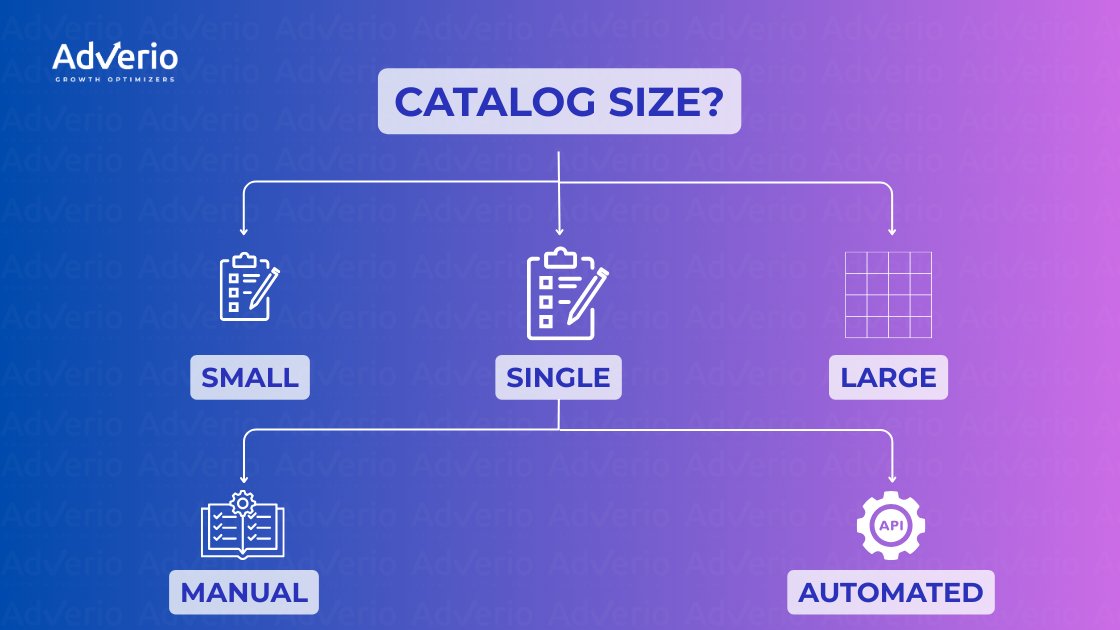
First, you have to get your products into the system. The right choice boils down to the size of your catalog.
-
Manual Upload: Best for sellers with a small number of SKUs.
-
Bulk Upload vs. Spreadsheet: The workhorse method for most sellers using Walmart’s templates.
-
API Integration: The only choice for brands with large, dynamic catalogs (250+ SKUs) or those on platforms like Shopify or BigCommerce. An API automates everything—inventory, pricing, orders.
The Importance of Optimized Titles, Descriptions, and Categories
Your product titles and descriptions need to satisfy the search algorithm and persuade a shopper. Brands that win here follow structured Walmart LQS optimization to improve both ranking and conversion. Brands that win here follow structured Walmart listing optimization strategies designed to improve both ranking and conversion. Your title is the single most critical piece of on-page SEO. A solid formula is: Brand + Product Name + Key Feature(s) + Size/Color/Quantity.
For descriptions, mix short, scannable bullet points with concise paragraphs. Don’t just list features; sell the benefits. How does your product make your customers’ lives better? The Listing Quality dashboard in Seller Center gives you a clear score for each listing and flags the exact issues holding you back.
Use of Rich Media: Images, Videos, Specs
Grainy, generic stock photos are a non-starter. Shoppers expect high-resolution images from every angle, lifestyle shots, and video. Quality visuals boost conversion rates and cut down on returns. For a deeper dive on this, check out some resources on developing a strong brand style guide. A cohesive presence makes you look professional and recognizable.
Step 5: Fulfillment Options: WFS, 3PL, or In-House
Fulfillment isn’t logistics—it’s a Buy Box strategy.
Your choice directly impacts visibility, conversion rate, and algorithm preference.
You have three paths: Walmart Fulfillment Services (WFS), a third-party logistics (3PL) partner, or handling it yourself.
Walmart Fulfillment Services (WFS) Explained
WFS is Walmart’s answer to Amazon FBA. You send inventory to Walmart’s warehouses, and they handle picking, packing, shipping, returns, and customer service. Enrolling in WFS gets your listings two powerful badges: “Fulfilled by Walmart” and Two-Day delivery. These are massive trust signals that shoppers and Walmart’s algorithm love.
Pros and Cons of Using WFS vs. Self-Fulfillment
WFS is a game-changer, but it’s not for everyone. Handling fulfillment yourself—either in-house or with a 3PL—can be the right move if you sell huge, heavy, or oversized items, as WFS fees can get expensive. Likewise, brands with complex needs like perishable goods often need direct control. But here’s the catch: if you go the self-fulfillment route, you absolutely must hit Walmart’s tough performance metrics for on-time shipping and delivery. One slip-up, and your Seller Score will plummet.
Meeting Walmart’s Shipping Expectations
Walmart is building a platform that rewards sellers who adopt its customer-first mindset. The company recently shared that sellers using WFS see an average 50% lift in GMV and that its fulfillment rates average 15% lower than other options. The message couldn’t be clearer: Walmart wants you in its network. Find out more about Walmart’s latest seller initiatives. For most brands, if your products fit WFS guidelines, it’s the fastest way to get traction.
Step 6: Optimize Listings and Win the Walmart Buy Box
The Buy Box isn’t about being “good enough.”
It’s about being the most reliable operator across price, fulfillment, and performance—consistently. The Walmart Buy Box is a zero-sum game. You either win it or you’re invisible. The algorithm is ruthless and prioritizes sellers who deliver on price, performance, and speed—no exceptions.
How Walmart’s Algorithm Differs from Amazon’s
Winning that coveted spot boils down to executing flawlessly on three core pillars:
-
Price Competitiveness: Your total price, shipping included, has to be the sharpest offer on the table.
-
Seller Score: A high score, built on a foundation of positive reviews and perfect performance metrics, is critical.
-
Fulfillment Speed: Fast, reliable delivery is paramount. Using WFS is the easiest way to signal this to Walmart’s algorithm.
Leading brands rely on business intelligence for marketplace growth to identify where they’re losing share—and how to fix it fast.
Step 7: Advertise with Walmart Connect
Organic alone won’t scale you.
Walmart rewards brands that control both visibility and conversion—not those waiting for traffic. If you’re serious about scaling, you have to get aggressive with advertising through Walmart Connect. Thinking you can just set a budget and let it ride is the fastest way to burn through your cash.
Types of Ads (Search In-Grid, Sponsored Products, etc.)
For anyone new to the platform, the most important tool in your arsenal is Sponsored Products. These are the workhorses of Walmart advertising. They pop up in high-visibility spots, like search results (Search In-Grid) and product detail pages, putting your items right in front of shoppers who are ready to buy.
How to Run Your First Campaign
Start by launching an automatic campaign. This lets Walmart’s algorithm do the heavy lifting, gathering data on which search terms actually convert. Think of this as pure data collection. After a week or two, you’ll have a report loaded with real customer search terms—gold for building a much sharper manual campaign. Turning that data into scalable performance requires a clear Walmart advertising strategy for scaling brands—not just campaign tweaks.
When you build that manual campaign, go after long-tail keywords first. A search for “queen-size 800-thread-count Egyptian cotton sheets” has a much higher chance of converting than a vague, expensive term like “bed sheets.” A great way to boost the effectiveness of your ad spend is by leveraging AI for ad creative to produce visuals and copy that truly connect with shoppers.
Too many brands obsess over a single metric like Advertising Cost of Sales (ACoS). Sure, ACoS is important, but it doesn’t paint the full picture. For brands needing a dedicated partner to run this playbook, our approach to expert Walmart PPC management is designed to turn ad spend into a predictable profit engine.
Bonus Tips: What to Expect in Your First 90 Days
Your first 90 days on Walmart determine whether you scale or stall. Here are straight answers to common roadblocks.
Common Roadblocks
Let’s cut right to it. Unlike Amazon, Walmart does not charge a monthly subscription fee. Your primary cost is the referral fee you pay on each sale, which typically ranges from 6% to 15%, depending on your product category. If you use WFS, you’ll have separate fees for fulfillment and storage.
The approval timeline can vary, but most brands should expect a decision within a few days to two weeks. A complete application from a brand with a proven sales history on other platforms moves much faster.
Metrics to Watch
Walmart Marketplace is built to connect with the tools you’re already running your business on. It integrates smoothly with major e-commerce platforms like Shopify and BigCommerce. For any brand with a large or complex catalog, using an integration partner is non-negotiable. It automates your listing creation, inventory syncing, and order fulfillment, preventing the kind of operational chaos that quietly kills your profitability.
Tools to Simplify Walmart Marketplace Management
Your Seller Score and Listing Quality are your primary health metrics. Monitor them daily. Watch your on-time shipping rate, customer response time, and product reviews. These numbers directly influence your Buy Box eligibility and search ranking. A dip in any of these is an early warning sign of bigger problems.
How Adverio Helps You Win on Walmart
Walmart growth isn’t about isolated tactics—it’s about aligning pricing, listings, ads, and fulfillment into one system.
Adverio’s Growth Cultivator framework connects these levers to drive incremental revenue—not just top-line noise.
If your brand is already scaling on Amazon, we turn Walmart into your next profit engine.
FAQs
-
Is Walmart Marketplace harder than Amazon?
Walmart is more selective upfront, but less competitive once you’re in. That creates a stronger opportunity for established brands. -
How long does Walmart approval take?
Most approvals take anywhere from a few days to two weeks, depending on application quality and business credentials. -
Do I need WFS to succeed?
No—but without WFS, you must meet strict shipping and performance metrics to stay competitive. -
What’s the biggest mistake brands make on Walmart?
Treating it like Amazon. Walmart requires different pricing, listing, and fulfillment strategies to perform.
Walmart Marketplace is growing fast—and the brands that move early are the ones capturing margin, not just revenue.
If you’re serious about turning Walmart into a profitable growth channel, execution—not just setup—is what separates top performers. Adverio turns your marketplace expansion into a predictable profit engine.
Book Your ROI Forecast and see exactly where your Walmart growth is being capped—and what it will take to unlock it.