


Table of Contents
Most brands treat Amazon Subscribe & Save like a discount lever. That’s exactly why they fail to extract real value from it.
Done right, it’s not a promo—it’s a system for converting one-time buyers into predictable, high-LTV revenue while structurally lowering your CAC.
This isn’t about “loyalty” as a buzzword. It’s a hard-coded system for repeat purchases that pads your bottom line, month after month.
At a Glance
• Subscribe & Save increases LTV and lowers CAC
• Best for consumables with repeat purchase behavior
• Ideal discount structure: 5–10% base + 10–15% first-order coupon
• Biggest risks: stockouts, over-discounting, poor product selection
• Growth lever: combine SnS with PPC, DSP, and retention targeting
Why Subscribe and Save Is Your Financial Flywheel
Most brands see Subscribe and Save (SnS) as a simple convenience. We see it as a financial flywheel—an engine that builds momentum for predictable growth and fundamentally changes your business economics. Getting a customer to move from a single purchase to a subscription is one of the biggest wins on the marketplace.
The impact isn’t isolated; it ripples across your entire operation. Predictable orders mean smarter inventory forecasting, which cuts down on costly stockouts or bloated overstock. That stability frees your team from constant firefighting to focus on proactive growth.
The Direct Impact on CAC and LTV
The math is brutally simple. When a customer subscribes, you’ve acquired them for the long haul with a single marketing effort.
-
Customer Lifetime Value (LTV): This is where SnS truly shines. You’re no longer dealing with a single transaction but a recurring revenue stream. The longer a customer stays subscribed, the higher their LTV, dramatically improving the return on your initial ad spend.
-
Customer Acquisition Cost (CAC): Since you don’t have to re-acquire that same customer for their next purchase, your blended CAC drops over time. Every new subscriber makes your entire marketing budget more efficient.
The data is clear. The health supplement brand Dose saw a 51% higher LTV from its subscribers compared to one-time buyers. After implementing the program, they doubled their reorder rates.
The real power of Subscribe and Save isn’t the discount; it’s the automation of loyalty. It removes friction from the reordering process, making your product the default choice.
Quantifying the Strategic Advantage
Let’s get specific about how a well-run SnS program transforms key business metrics.
Here’s a clear breakdown of how strategically implementing Subscribe and Save directly impacts the core financial and performance indicators for your brand.
Subscribe and Save Impact on Core Growth Metrics
| Metric | Impact without Subscribe and Save | Impact with Strategic Subscribe and Save |
|---|---|---|
| Revenue Stream | Unpredictable, transaction-based sales with high volatility. | Stable, recurring revenue that provides a predictable monthly baseline. |
| Customer Loyalty | Dependent on constant re-engagement and marketing spend. | Automated and built-in, reducing churn and marketing dependency. |
| Inventory Planning | Reactive, often leading to stockouts or excess inventory. | Proactive and data-driven, based on predictable subscriber demand. |
| Profitability | Squeezed by fluctuating CAC and one-off purchase margins. | Enhanced by higher LTV and a more efficient, lower blended CAC over time. |
The shift is fundamental. It moves key functions from guessing to knowing.
While Subscribe and Save is a killer tool for retention, it works best when combined with other proven strategies to boost e-commerce customer engagement. When you integrate SnS as a core pillar of your financial strategy, you build a more resilient, profitable, and scalable Amazon business.
Building Your Profitable SnS Framework
Flipping the switch on Subscribe & Save is the easy part. The real work is building a deliberate framework that turns it into a predictable profit engine—something that typically requires Amazon Account Management to align pricing, inventory, and advertising into one system.
Too many brands just enable it and hope for the best, watching their margins get shredded by bad discounts.
A profitable program isn’t an accident. It’s engineered.
First, the non-negotiables. To be eligible, you must be a Brand Registered seller with a rock-solid fulfillment history. Amazon demands an in-stock rate above 90% and a strong seller feedback rating. These aren’t arbitrary hoops; they’re Amazon’s way of ensuring you can handle the recurring demand you’re about to create.
Selecting the Right Products for Subscription
Not every SKU is built for a subscription model. The products that kill it with Subscribe & Save are consumables—things customers need to buy over and over. Think supplements, coffee, pet food, or cleaning supplies. Avoid one-off purchases or items with a long lifecycle.
To find your best candidates, dig into your sales data and hunt for repeat purchase behavior. Look for:
-
High Reorder Rates: Which products are customers already buying multiple times a year?
-
Stable Demand: Focus on SKUs with consistent sales, not seasonal spikes.
-
Healthy Margins: You need products that can absorb a 5-15% discount and still be profitable.
Don’t make the classic mistake of enrolling your entire catalog. A targeted approach focusing on your highest-potential, consumable SKUs is key. It keeps you from giving away margin on products that wouldn’t get much of a lift from a subscription offer.
The goal is to transform your operations from unpredictable, one-off sales into a smooth, predictable revenue stream.
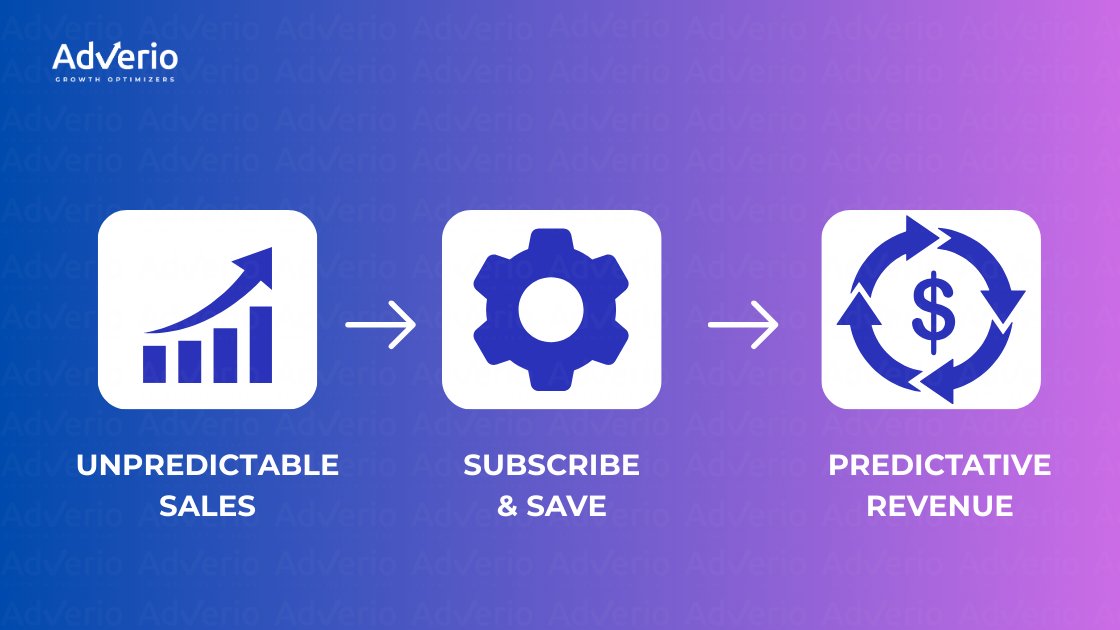
This is the shift: unpredictable sales → controlled, forecastable revenue.
Structuring Your Discount Tiers for Profit
Your discount strategy is the single most important lever—and getting it wrong will quietly destroy margin. This is where a structured discount strategy on Amazon without killing margin becomes critical. The rule is simple: attractive enough to convert, controlled enough to protect margin. I see too many sellers offer insane discounts like 25%, attracting “discount hunters” who subscribe for one order and immediately cancel.
A smarter play is using tiered discounts and strategic coupons.
-
Base Discount (5-10%): This is your foundation. A standard 5% or 10% seller-funded discount works to get initial interest.
-
First-Time Subscriber Coupon (10-15%): This is your secret weapon for acquisition. Layering a coupon on just the first delivery creates a powerful hook. A 15% off coupon stacked on top of a 10% base discount is a killer offer, but it doesn’t lock you into that high discount forever.
The sweet spot for that first-time coupon is 10-15%. It’s aggressive enough to convert shoppers on the fence but not so high that you lose your shirt. The real value is in the second, third, and fourth orders. To manage these parts, you need a good grasp of Amazon’s backend, including interfaces like the Amazon Marketplace SP API.
Finally, none of this matters if your inventory management is a mess. Stockouts are catastrophic for an SnS program. They trigger automatic subscription cancellations and destroy customer trust. For brands managing a large catalog, mastering the nuances of Amazon inventory management isn’t just a good idea—it’s essential for protecting your recurring revenue.
Fueling Your Growth with SnS Advertising
A profitable Subscribe and Save program doesn’t happen on its own. It’s built and scaled with smart advertising—especially when backed by Amazon PPC Management services designed to drive high-LTV customer acquisition. Simply flipping the SnS switch and hoping for organic sign-ups is a surefire way to get mediocre results. You have to actively hunt for subscribers with a full-funnel system.
This isn’t a separate strategy. It’s about weaving your subscription value prop directly into the DNA of your PPC and DSP campaigns. Every ad impression should be engineered to convert a one-time buyer into a subscriber.
Retargeting Past Buyers with Precision
Your lowest-hanging fruit is always customers who already trust your products. They’ve bought from you before but haven’t committed to a subscription. This is where Amazon DSP and Sponsored Display become your most powerful tools—especially when executed through a structured Amazon DSP Management strategy focused on retention and subscriber growth.
Start by building remarketing audiences that target customers who have:
-
Purchased your product in the last 30, 60, or 90 days.
-
Viewed your product detail page but didn’t buy.
-
Searched for your brand name or other high-intent keywords.
The ads you show these audiences need to be direct. Forget subtlety. Your ad copy and images shouldn’t just show the product; they should scream the benefit: “Save 15% on Every Order with Subscribe & Save.” The goal is to make the value so obvious that a one-time purchase feels like a financial mistake.
Crafting High-Conversion Ad Copy
For your Sponsored Products and Sponsored Brands campaigns, the little SnS badge on your ads is already doing heavy lifting. But you can make it work harder by ensuring your listing and ad copy hammer home the subscription message—this is where Amazon Listing Optimization directly impacts Subscribe & Save conversion rates.
Your ad copy must explicitly sell the ‘Subscribe & Save’ offer. This is a crucial part of a complete Amazon advertising strategy that maximizes your ROI because it ties ad spend directly to long-term customer value.
A common mistake is treating SnS as a passive feature. Your ads need to actively sell the subscription. Frame it as the smartest, easiest way to buy your product, emphasizing both convenience and savings in every campaign.
The market is already moving this way. The data shows 23% of American Amazon customers are already active SnS users for essentials, and that number keeps climbing. You’re not creating a new behavior; you’re tapping into an existing one.
Leveraging Brand Tailored Promotions
For your absolute best customers, Amazon’s Brand Tailored Promotions (BTP) tool is a game-changer. It lets you create exclusive, hyper-targeted offers for specific audiences, like your highest spenders or most recent buyers.
Use BTP to create an irresistible retention loop. For example, send a unique 20% off coupon to your “Top Tier” customer segment that’s only valid on their first Subscribe & Save delivery. This rewards your most loyal fans and gives them a compelling nudge to lock in their loyalty.
This tactic does more than just drive one conversion. It deepens the customer relationship and builds a massive moat around your brand that competitors can’t cross. By giving exclusive deals to your most valuable subscribers, you’re not just selling a product—you’re building a community.
By combining broad-reach PPC, precision-targeted DSP, and exclusive BTP offers, you build a multi-layered advertising machine. This system doesn’t just find new customers; it systematically converts them into high-LTV subscribers, creating the foundation for profitable growth.
This becomes significantly more powerful when paired with a structured Amazon Brand Tailored Promotions strategy designed around high-value customer segments.
Measuring SnS Performance and Optimizing for Profit
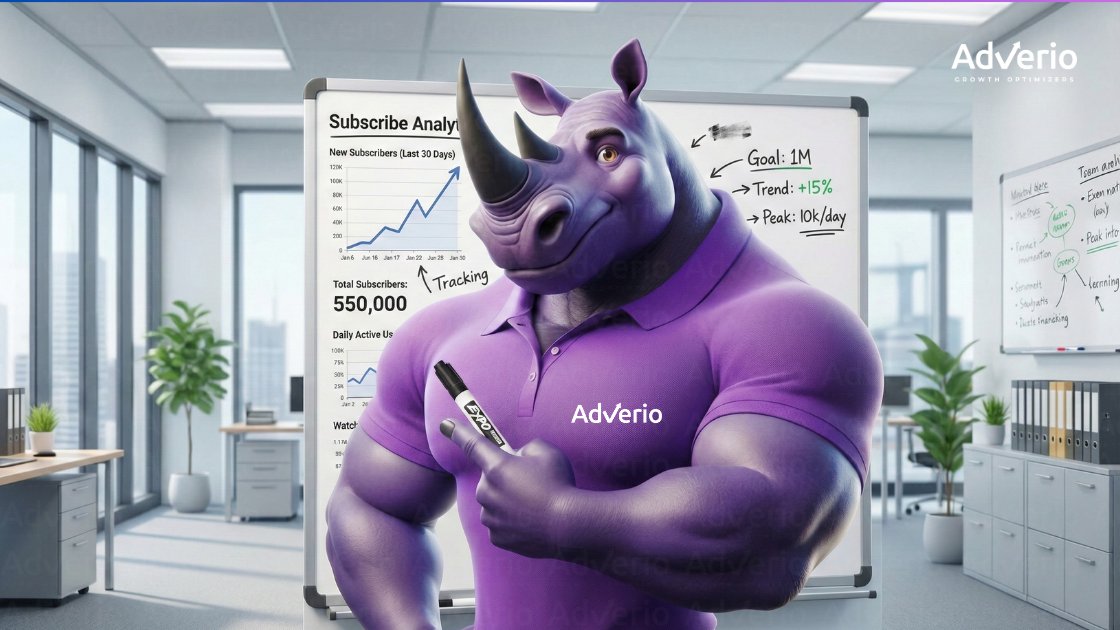
If you’re not tracking it, you’re guessing. That old saying is doubly true for Subscribe and Save. Most brands get stuck tracking surface-level metrics like total SnS sales, but real growth comes from digging deeper. A successful program is a profit engine, and you need to know exactly how well that engine is running.
This is where we move past guesswork and into a data-driven approach. It’s about understanding the specific key performance indicators (KPIs) that reveal the true financial health of your subscription business.
Core KPIs for Your SnS Dashboard
Your Seller Central account holds a treasure trove of data in the Subscribe & Save Performance report. Don’t just glance at it—live in it. This report is your command center for making decisions that directly impact your bottom line.
Here are the non-negotiable metrics to watch:
-
Active Subscriber Count: This is your pulse. Is the total number of subscribers growing, flat, or dropping? A steady climb is the clearest sign of success.
-
Churn Rate: This tracks the percentage of subscribers who cancel. A high churn rate is a massive red flag. It tells you something is broken—maybe the product isn’t a true consumable, your value prop is weak, or you’re attracting one-and-done discount hunters.
-
Average Revenue Per Subscriber: Are subscribers becoming more valuable over time? Tracking this shows the direct financial impact of your retention efforts.
The LTV vs Non-Subscriber Showdown
The single most important metric for proving the success of your SnS program is Customer Lifetime Value (LTV). You have to calculate and compare the LTV of a subscriber against a regular, one-time buyer.
The difference should be stark.
Your SnS LTV is the ultimate proof that your strategy is paying off. When a subscriber’s LTV is 3x, 5x, or even 10x that of a standard customer, it validates every dollar you invest in acquisition and retention. This isn’t a vanity metric; it’s the financial bedrock of your subscription program.
If that gap isn’t wide enough, you have a problem. It could mean your discounts are too aggressive and eating away at long-term margins. Or it might signal that subscribers are churning too fast to ever become profitable. Digging into these numbers is fundamental to improving SKU-level profitability on Amazon to build a profitable business.
Essential Subscribe and Save KPIs for Profit-Driven Brands
To build a truly resilient Subscribe and Save program, monitor a handful of critical metrics. These KPIs will tell you what’s working, what’s broken, and where your biggest opportunities are.
| KPI | What It Measures | Why It Matters | Optimization Goal |
|---|---|---|---|
| Active Subscriber Count | The total number of customers with active subscriptions. | The primary growth indicator. Stagnation or decline signals a problem. | Steady Month-over-Month Growth |
| Churn Rate | The percentage of subscribers who cancel in a given period. | High churn kills profitability and indicates product/market fit issues. | Keep Below Industry Benchmarks |
| Subscriber LTV | The total revenue a subscriber generates over their lifetime. | Justifies the program’s existence and higher acquisition costs. | Achieve 3x+ LTV vs. One-Time Buyers |
| SnS Conversion Rate | The percentage of product detail page visitors who choose SnS. | Shows the effectiveness of your discount and on-page messaging. | Increase for Key Consumable ASINs |
| Average Subscription Length | How long, on average, a customer remains a subscriber. | Directly impacts LTV; longer subscriptions mean more predictable revenue. | Increase by Improving Retention |
By keeping a close eye on these numbers, you move from reacting to problems to proactively building a more profitable subscription base. It’s about making small, consistent improvements that compound into massive long-term gains.
Optimizing Based on Performance Data
Once you have a clear picture of your KPIs, you can start making surgical optimizations. That SnS Performance report will clearly show you which products are home runs and which are striking out.
Use this data to take action:
-
Spotlight Your Winners: Find the products with the highest subscriber growth and lowest churn? Pour your ad budget into those. They are your proven subscription champions.
-
Diagnose the Underperformers: For products with high churn or low sign-ups, ask why. Is the discount not compelling? Is this a product people don’t need on repeat? Is a competitor stealing your subscribers?
-
Forecast with Confidence: Your active subscriber count is the key to more accurate inventory forecasting. It helps you prevent the catastrophic stockouts that kill subscriptions and obliterate customer trust.
By consistently tracking these KPIs, you turn your Subscribe and Save program from a passive feature into an actively managed profit center. You gain the clarity to make bold, data-backed decisions that fuel predictable growth.
Common Subscribe and Save Pitfalls to Avoid
Too many brands flip the switch on Subscribe and Save expecting a magic button for recurring revenue, only to watch it bleed their margins dry. They stumble into predictable traps that kill LTV and torch customer trust. This isn’t bad luck; it’s a failure to think ahead.
Let’s break down the critical mistakes that can turn a powerful growth engine into a liability. Knowing these challenges upfront is the only way to build an SnS strategy that creates profitable, long-term relationships.
The Inventory Mismanagement Trap
The fastest way to kill your Subscribe and Save program is to run out of stock. A stockout isn’t just a missed sale—it’s a broken promise to your most loyal customers.
When an SnS order can’t be fulfilled, Amazon automatically cancels that person’s subscription. You don’t just lose one order; you lose all future orders from that subscriber. It’s a catastrophic failure that destroys trust. That customer you spent ad dollars to acquire is now gone, likely pushed right into the arms of a competitor. Ruthless demand forecasting and healthy safety stock are non-negotiable.
The Dangerous Discount Trap
Overly aggressive discounts are the siren song of Subscribe and Save. Slapping a 25% discount on your offer might give you a spike in initial subscribers, but you’re attracting the wrong crowd: “discount hunters.” These are low-quality subscribers who sign up for the steep initial deal and cancel the moment their first order ships.
This is a classic case of Optimization Myopia—chasing a vanity metric (subscriber count) while actively destroying profitability (LTV). You’re essentially paying bargain hunters to take your product one time, wrecking your unit economics.
A sustainable program is built on a value proposition stronger than a deep, one-time discount. A modest base discount paired with a smart first-order coupon is a much better way to attract customers who actually value the product, not just the deal.
Ignoring Shifting Market Dynamics
Your Subscribe and Save offer doesn’t live in a bubble. The competitive landscape on Amazon is constantly changing. You might have the best deal on the block today, but tomorrow a competitor could slash their price, making your subscription look overpriced.
This isn’t just a hypothetical. Even Amazon’s own program has seen its dominance shrink. Recent data shows Subscribe & Save has lost market share in nine out of the top 10 CPG categories—a clear signal that brands can’t afford to get complacent. You can read the full analysis on this CPG market shift on eMarketer.
If you aren’t monitoring competitor pricing, you’re setting yourself up to watch your subscriber base slowly bleed out. You have to actively track your market share and pricing to make sure your SnS offer stays the smartest choice for the customer. Ignoring these outside forces is like trying to navigate a storm with your eyes closed.
How Adverio Turns Subscribe & Save Into a Profit Engine
Subscribe & Save doesn’t fail because of the feature—it fails because it’s not integrated into pricing, advertising, and inventory strategy.
At Adverio, we connect subscription growth to SKU economics, incrementality, and full-funnel demand generation. That means aligning PPC, DSP, pricing, and catalog decisions into one system—not isolated tactics.
If your subscription strategy isn’t improving margin, it’s broken.
Explore our approach to Amazon Advertising Strategy
Frequently Asked Questions
Here are the straight answers to the most common questions we hear from brands getting started with Amazon’s Subscribe and Save program.
What Is the Best Discount for a New Subscribe and Save Offer?
There’s no magic number, but the smart money starts with a 10-15% coupon for the first delivery only. This creates a compelling initial offer without locking you into a high, margin-killing discount for the entire subscription lifetime. Resist the temptation to go big with a standing discount of 25% or more. You’ll mostly attract “discount hunters” who subscribe for the one-time deal and cancel immediately. The goal is to balance an attractive offer with long-term profit. A 5-10% base discount combined with a strong initial coupon is a sustainable model that attracts loyal subscribers, not deal-chasers.
How Does Subscribe and Save Impact My CAC and LTV?
It completely changes the game. SnS is one of the most powerful tools for improving the fundamental financial health of your brand on Amazon.
It directly pumps up your Customer Lifetime Value (LTV) by putting repeat purchases on autopilot. You turn a one-time buyer into a steady, predictable revenue stream. A higher LTV means you can justify a higher Customer Acquisition Cost (CAC), giving you a huge leg up in competitive ad auctions.
And since subscribers are retained automatically, your marketing spend to win them back drops to nearly zero. This brings down your blended CAC over time. It’s the foundation for a much healthier business model built on predictable income, not a constant, expensive chase for new customers.
Can I Run Ads Targeting Subscribe and Save?
Yes, absolutely—and you should be building an ad strategy around it. While you can’t create an audience of “SnS subscribers” to target directly, you can still be incredibly effective.
Use Sponsored Display and DSP to retarget people who have already viewed or purchased your products. Your ad creative needs to be crystal clear, calling out the “Save up to 15% with Subscribe & Save” benefit. Make it impossible to miss.
For your Sponsored Brands and Sponsored Products campaigns, make sure your best-selling products are enrolled in SnS. The discount badge that shows up on your ads is a powerful conversion trigger. An even more advanced move is to use Brand Tailored Promotions to send exclusive deals to your most loyal customers, giving them a compelling nudge to subscribe.
What Happens If I Run Out of Stock for an SnS Order?
Going out of stock on a scheduled Subscribe and Save order is a disaster. It’s one of the most damaging mistakes a brand can make.
When a stockout happens, Amazon automatically cancels the customer’s subscription for that product. Poof. Gone. You don’t just lose one sale; you lose that entire recurring revenue stream for good, unless the customer goes out of their way to re-subscribe (which they rarely do). It shatters customer trust and dings your account’s performance metrics.
Keeping your inventory in check is non-negotiable if you’re serious about this program. Use demand forecasting tools and always keep a healthy safety stock buffer at FBA. You worked hard to build that recurring revenue—don’t let a preventable stockout tear it down.
Most brands never turn Subscribe & Save into a real profit lever—they just discount and hope.
If you want a system that ties subscriptions directly to margin, CAC efficiency, and forecastable growth, that’s exactly what we build.
Book Your ROI Forecast and see where your subscription strategy is leaking profit—and how to fix it.