



Table of Contents
Most brands treat reviews like a side effect. Top operators treat them like a controllable growth lever. It’s not about luck or begging customers for feedback. It’s about building a predictable system that compounds conversion rate, lowers CAC, and scales revenue without increasing ad spend. A machine that turns happy customers into your most powerful marketing asset.
This guide isn’t about chasing vanity metrics. It’s about building a flywheel that drives conversions, boosts your Best Seller Rank, and creates a defensive moat around your brand that paid ads alone can’t touch. Let’s build your system.
Why Amazon Reviews Are Your Growth Engine
Most founders are obsessed with traffic. You pour cash into PPC, hoping more eyeballs will solve your sales problem — without fixing the conversion rate that determines whether that spend is actually profitable. This is why Amazon PPC performance is driven by conversion, not just traffic. But here’s the brutal truth: all the traffic in the world can’t save a product with zero social proof.
Reviews directly impact conversion rate, which is the single highest-leverage variable in your Amazon P&L. They function as trust arbitrage at scale — compressing buyer hesitation into immediate purchase decisions, and their impact on your bottom line is immediate and massive.
The Unstoppable Review Flywheel Effect
Stop thinking of reviews as a one-off task. They are the fuel for a self-sustaining growth engine.
More positive reviews boost your conversion rates. Higher conversion rates improve your Best Seller Rank (BSR). A better BSR gets you more organic visibility. More visibility leads to more sales, which creates more opportunities for… You guessed it, more reviews.
This is the exact compounding loop that separates plateaued brands from category leaders. It creates a competitive advantage that a rival can’t just buy. Competitors can outbid you on ads. They can’t out-replicate accumulated trust velocity, with hundreds of authentic customer reviews.
Reviews aren’t just for show. They’re a direct signal to Amazon’s A9 algorithm that your product is relevant and delighting customers. A healthy review velocity tells Amazon to show your product to more people. Simple as that.
The Stark Reality: Why a Passive Approach Fails
Here’s the challenge that trips up 99% of sellers: getting a customer to leave a review is hard. Data shows that only about 1-2% of Amazon customers will voluntarily post feedback.
Think about that. For every 10,000 units you sell, you might only get 100-200 reviews naturally. A passive approach guarantees you plateau — regardless of how much traffic you buy. You need a proactive system.
To really amplify your results, you must weave reviews into a broader user-generated content marketing strategy.
The upside? It’s massive. Products with just five reviews have a 270% greater chance of being purchased than those with none. Shoppers are also willing to spend 31% more on products with excellent reviews. This isn’t about vanity; it’s about building a reliable system that turns customers into advocates and fuels a growth cycle your competition can’t match.
First, Maximize Amazon’s Built-In Tools
Before adding complexity or cost, you need to extract full leverage from Amazon-native systems; you must master the free, powerful tools Amazon provides. This is your foundation. Ignoring this is like leaving cash on the table—it’s the lowest-hanging fruit for generating reviews.
Your first and most important stop is Amazon’s “Request a Review” button. This is your most direct, 100% compliant way to ask for feedback.
Master the “Request a Review” Button
This powerful feature is located on the Order Details page in Seller Central. When you click it, Amazon sends a standardized, branded email asking for both a product review and seller feedback. Because it comes directly from Amazon, it carries more weight and gets higher open rates.
But when you click, it matters more than that you click it. Timing is everything.
- For simple products: Think phone cases or kitchen gadgets. Hit the button 5-7 days after delivery. This window is long enough for them to use it, but short enough that their initial excitement is still fresh.
- For complex products or supplements: If your product requires time to show results—like skincare or a health supplement—be patient. Wait 21-30 days after delivery. Asking too soon is a recipe for being ignored or, worse, getting a premature negative review.
The game is aligning your request with the moment of peak customer happiness. Use this button strategically, just once per order, and time it for maximum impact.
A Compliant Approach to Buyer-Seller Messaging
While the “Request a Review” button is your workhorse, Buyer-Seller Messaging can still add value—if you’re careful. Amazon’s policies here are notoriously strict.
Never directly ask for a positive review or use “if-then” language (e.g., “If you’re happy, leave a review; if not, contact us”). That’s a fast track to account suspension. Your goal should be to enhance the customer experience, not beg.
Pro Tip: Your goal with Buyer-Seller Messaging is to be helpful, not needy. Send a quick user tip, a PDF guide, or a simple thank-you. A world-class customer experience is the natural precursor to a great review.
For example, a message sent shortly after delivery could offer a pro-tip for getting the most out of their purchase. This builds goodwill and keeps your brand top-of-mind. For more advanced tactics, explore the Amazon Manage Your Customer Engagement tool, which lets you send email campaigns to your brand followers.
Kickstart Momentum with Amazon Vine
For new products stuck at zero reviews, the Amazon Vine program is your secret weapon. It’s how you break the vicious “no reviews, no sales” cycle.
Vine is an invitation-only program where Amazon sends your products to their most trusted reviewers, known as “Vine Voices,” in exchange for their honest feedback.
As a brand-registered seller, you can enroll up to 30 units of a new product for free to get the ball rolling. These reviewers are known for leaving detailed, unbiased feedback that adds immense credibility to a new listing. There’s no guarantee of a 5-star rating, but it’s the fastest, most legitimate way to get your first crucial reviews.
Build an Automated Review Generation Machine
Manually clicking “Request a Review” for every order is not a scalable growth strategy. It’s a bottleneck. To truly ramp up your review velocity, you need an automated machine working for you 24/7, engaging customers at the perfect moment without you lifting a finger. This isn’t just about sending emails — it’s about building systems that continuously drive reviews, retention, and LTV, which is a core part of Amazon account management
This is where you move from tactical execution to building infrastructure that scales review velocity. Automation lets you design a consistent, repeatable system that nurtures the relationship first and then asks for the review.
Choosing Your Automation Stack
To build this machine, you need the right tools. While Seller Central is limited, powerful third-party platforms are built to fill these gaps. They integrate with your account, allowing you to create sophisticated, rules-based messaging sequences — which is the foundation for scaling Amazon customer lifecycle systems.
The goal isn’t the tool — it’s the system. These platforms simply operationalize it:
- Helium 10 (Follow-Up): A robust tool within a larger suite of Amazon seller software, known for its powerful automation rules and templates.
- Jungle Scout (Review Automation): Integrated into their popular product research tool, it offers a simple and effective way to automate review requests.
- ManyChat: Offers powerful email and SMS automation that can be triggered by Amazon sales, perfect for building an omnichannel customer journey.
The goal isn’t just to blast an email; it’s to create a value-driven conversation that makes customers want to leave a review.
This infographic breaks down the core tools and strategies top sellers use to keep reviews flowing.
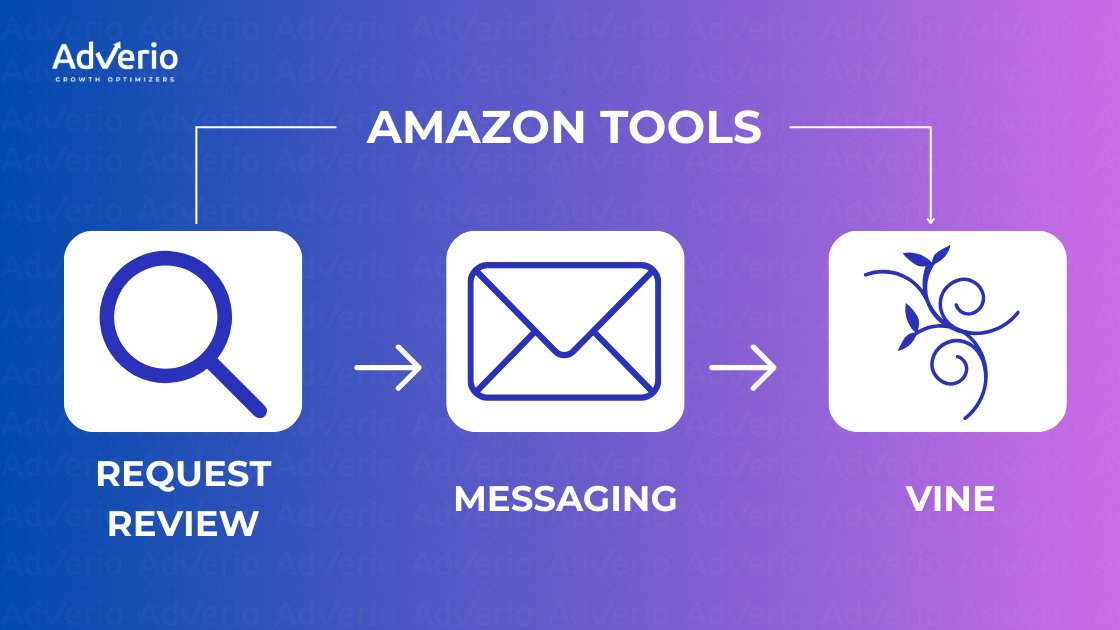
The key takeaway? A winning strategy isn’t about one tactic. It’s about combining Amazon’s native tools with smart, automated messaging for a multi-pronged attack.
Designing Your First Automated Flow
Let’s get practical. An effective automated sequence isn’t a single email begging for a review. It’s a strategic series of touchpoints designed to build rapport. Value always comes before the ask.
A classic, high-converting flow looks like this:
- The Confirmation & Thank You (Sent immediately after order): Not a review request. It’s a branded “thank you” that confirms their order and sets a positive tone. Include a link to a digital user guide or a one-minute “how-to” video.
- The Value-Add Follow-Up (Sent 2-3 days after delivery): Check in to ensure everything is okay. Offer a quick, helpful tip. Selling a coffee grinder? Share a pro-tip on achieving the perfect grind consistency. This shows you care.
- The Gentle Review Nudge (Sent 5-14 days after delivery): Now is the time. For simple items, ask within 5-7 days. For products that need time to show results, like supplements, wait 14-21 days.
The best review requests don’t feel like requests. They feel like the natural conclusion to an excellent customer experience. Frame your ask around helping other shoppers make a smart decision.
Review Request Timing and Automation Logic
Use this as a starting point to schedule automated review requests and maximize your response rates.
| Product Category | Optimal Timing (Post-Delivery) | Sequence Trigger | Key Message Focus |
|---|---|---|---|
| Simple Consumables (e.g., snacks, coffee) | 3-5 days | delivery_confirmation + 3_days |
“Hope you’re enjoying it! What did you think?” |
| Electronics & Gadgets | 7-10 days | delivery_confirmation + 7_days |
“How’s it working out? Can we answer any questions?” |
| Supplements & Vitamins | 21-30 days | delivery_confirmation + 21_days |
“Have you started to feel the benefits? We’d love to hear.” |
| Skincare & Beauty | 14-21 days | delivery_confirmation + 14_days |
“How is your skin responding? Your experience can help others.” |
| Complex Products (e.g., furniture, equipment) | 10-14 days | delivery_confirmation + 10_days |
“Got everything set up? We’re here to help if you need us.” |
This table is your baseline. The real growth happens when you A/B test subject lines, copy, and send times. Turn your review strategy from guesswork into a predictable, scalable system. This is how you stop chasing individual reviews and start building a brand that attracts them on autopilot.
Leverage Packaging and Product Inserts
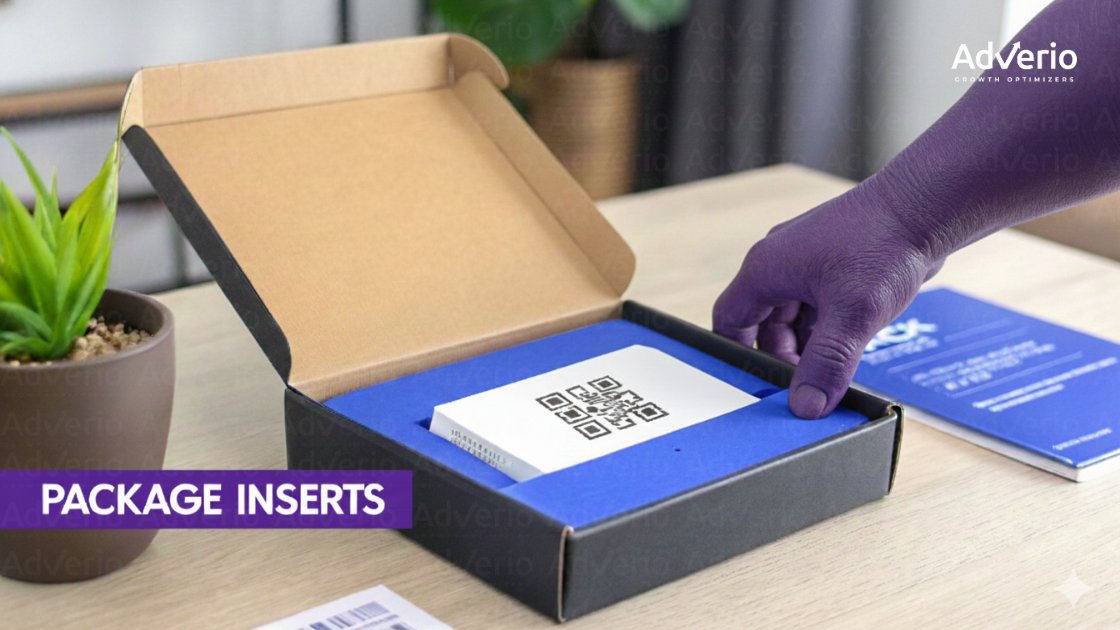
Your automated emails are running, but what about the one physical touchpoint you have with every customer? Your packaging is the only guaranteed touchpoint you fully control — and most brands completely waste it**.** It’s a direct line to your customer at their moment of peak excitement.
Stop thinking of it as a box. It’s a billboard you own.
A well-designed product insert is your secret weapon for getting more reviews without begging. We’re talking about a value-first experience that builds massive goodwill before you ever hint at feedback. Your goal is to delight, educate, and engage.
The Value-First Insert Strategy
The only way to create a compliant and effective insert is to lead with value. Give your customers something genuinely useful that enhances their product experience.
What does your customer really need right after unboxing?
- A quick-start video guide? A QR code linking to a 60-second tutorial is perfect.
- Bonus digital content? Offer a free e-book, a recipe guide, or a workout plan.
- Warranty registration? A classic for a reason. A QR code to a simple warranty form is an easy win-win. You get customer data (with their permission), and they get peace of mind.
This approach triggers the psychological principle of reciprocity. By providing unexpected value, you create a natural desire for the customer to give something back — which is a key lever in optimizing your full Amazon funnel.
The best product inserts don’t ask for a review; they create an experience that earns a review. Make the customer feel so well taken care of that leaving positive feedback feels like their idea.
Staying Compliant: The Non-Negotiable Rules
Let’s be crystal clear: this strategy only works if you play by Amazon’s rules. One wrong move can put your account at risk.
Here’s what you absolutely CANNOT do:
- NEVER incentivize reviews. No discounts, gift cards, or compensation in exchange for a review. Period.
- NEVER use “if-then” language. Avoid saying, “If you’re happy, leave a review. If not, contact support.” This is blatant manipulation.
- NEVER ask only for positive reviews. Any request must be neutral.
- NEVER direct customers off-Amazon to leave a review.
Your insert can provide customer service contact info. The key is to present it as a general support channel, totally separate from any mention of reviews. For a deeper dive, explore our guide on product inserts that get reviews without asking for them.
Creative and Compliant Insert Examples
So, what does a brilliant, compliant insert look like? It comes down to creativity and brand personality.
A skincare brand could include a card with a QR code linking to a “5-Minute Morning Skincare Routine” video. A kitchen gadget company might link to an exclusive digital recipe book. For new products, you can also explore mastering product seeding strategies to strategically send products to key individuals and build early buzz.
Your goal is to deliver a “wow” moment. When you make the customer feel valued, you’re not just selling a product. You’re building a brand advocate—and those are the people who write the glowing reviews that drive real growth.
Turn Customer Service Into a Review Magnet
Customer service isn’t a cost center — it’s a conversion and retention multiplier. to block bad feedback—it’s your most powerful offensive tool for generating positive reviews. Most brands see support as a cost center. Growth-focused leaders see it as a conversion channel.
Every customer interaction is a chance to turn a routine transaction into a memorable experience. That’s the catalyst that pushes a satisfied customer to write a glowing, 5-star review.
Adopt a Proactive Support Strategy
The best way to handle problems is to solve them before the customer even knows they exist. A reactive support model is a race to the bottom. Proactive support puts you in control and builds incredible brand loyalty.
Imagine a customer gets an email from you saying, “Hey, we noticed a potential issue with the batch your product came from. We’ve already shipped you a replacement, just in case.” That customer isn’t leaving a 1-star review. They’re telling everyone they know about your unbelievable service.
The goal is to transform a potentially negative experience into a story of how your brand went above and beyond. That story is far more powerful than a flawless, uneventful purchase.
Gracefully Handling Negative Feedback
Negative feedback is inevitable. The key is to handle it with a strategy designed to turn unhappy customers into your most loyal fans. In cases where reviews violate Amazon’s policies, removal is possible — but requires a structured approach aligned with Amazon’s enforcement systems → learn how Amazon critical review removals work.
When a negative review appears, execute this playbook:
- Respond Publicly (and Quickly): Post a professional, empathetic public reply. Acknowledge their frustration and state your commitment to making it right. This shows potential buyers you stand behind your product.
- Move the Conversation Private: Invite them to contact your support team directly to resolve the issue offline.
- Solve the Actual Problem: Empower your team to fix the problem. A refund, a replacement—over-deliver on the solution.
This all comes down to building social proof. Research from Red Stag on the average number of Amazon product reviews shows products hit a key trust threshold around 50 reviews. Turning just a few negative experiences into positive resolutions can dramatically accelerate your growth to that magic number. And if you need help building out this system, our team’s customer service strategy can provide a clear roadmap.
Stay Compliant with Amazon’s Review Policies
Chasing reviews is the name of the game, but playing fast and loose with Amazon’s rules is the quickest way to get shut down. One wrong move can wipe out years of hard work.
Review generation only works if it’s fully compliant — otherwise, you’re building on borrowed time. The lines are not always intuitive, but they are always unforgiving. Getting this wrong is a direct threat to your revenue.
The Unbreakable Rules of Engagement
Amazon has a zero-tolerance policy for anything that artificially inflates a product’s reputation. Your entire team must treat these rules as gospel.
- No Incentives, Period: You absolutely cannot offer any form of compensation for a review. No discounts, gift cards, or free products. This is the cardinal sin.
- Neutral Language Only: Never ask for a positive review. Your requests must be for honest feedback.
- No Selective Review Gating: You cannot funnel unhappy customers to private support while pushing happy customers to leave a public review. Every customer gets the same, unbiased path.
Think of it this way: Amazon wants to own the entire customer experience, including the feedback loop. Any attempt to intercept or filter that feedback is a direct violation of their trust.
Navigating the Gray Areas
While some rules are black and white, others require a nuanced approach. Using a compliant third-party tool to automate the official “Request a Review” button is fine. Using that same tool to send manipulative messages is not.
Similarly, an early reviewer program like Amazon Vine is a completely legitimate way to build initial traction. It’s a structured, policy-aware system that Amazon created itself. For a full breakdown, explore our comprehensive guide to the Amazon Vine program. This is the sanctioned path to getting crucial first reviews.
Battling Fake and Malicious Reviews
Unfortunately, staying compliant also means dealing with bad actors. Fake reviews are a massive problem—some studies estimate that up to 42% of reviews on bestselling products could be unreliable.
If you suspect a competitor is hitting you with fake negative reviews, act fast.
Document everything. Go to the product page, find the review, click “Report abuse,” and provide a clear reason why you believe it’s fraudulent. Then, open a case in Seller Central to create a documented trail. This is your best defense.
Your Amazon Review Questions, Answered
Navigating Amazon’s policies can feel like walking a tightrope. You want to grow, but you’re afraid of making a mistake that could jeopardize your account.
Here are the questions we hear most often from founders, with direct, no-fluff answers.
Can You Actually Ask for Amazon Reviews?
Yes, you can—and you absolutely should. The critical part isn’t if you ask, but how you ask.
Amazon is fine with you requesting feedback through approved channels. The “Request a Review” button is your safest bet. The language must be completely neutral.
Never ask for a positive review. Don’t “gate” feedback by directing unhappy customers to support while pushing happy ones to leave a review. That’s a textbook violation and the fastest way to get suspended.
How Many Sales Does It Take to Get a Review?
On average, only about 1-2% of Amazon customers will leave a review on their own. That means you might only see one or two reviews for every 100 sales.
That’s precisely why a passive approach is a death sentence for growth. You need a proactive system that consistently engages customers and makes leaving feedback simple. To learn how, check out our guide on building an automated review generation machine.
How Should I Handle a Negative Review?
First, don’t panic. A few negative reviews can actually boost credibility. Shoppers are often suspicious of a perfect 5.0-star rating; it doesn’t feel real.
The key is to respond quickly, publicly, and professionally.
Acknowledge their problem, apologize, and offer to make it right by inviting them to contact support privately. If you genuinely solve their issue, they might just go back and update their review. This turns a public complaint into a powerful showcase of your commitment to customer service.
If your review velocity is inconsistent, your conversion rate is capped — and your ad spend is working harder than it should. Adverio builds the systems that drive scalable growth, from optimizing your ad spend to mastering your review strategy.
Book a free strategy call today and let’s build your roadmap to market leadership.