


This guide shows established Amazon brands how to use DSP to create demand, scale market share, and escape PPC plateaus.
If you’ve spent any time selling on Amazon, you know Sponsored Ads are the bread and butter of driving sales. They’re fantastic for capturing shoppers actively searching for what you sell. But what happens when you want to find your next customer before they start searching? That’s where Amazon DSP comes in.
Think of it this way: Sponsored Ads are like having a perfect storefront on the busiest street in town, catching people who are already shopping. DSP is like putting up billboards across the entire city, running TV commercials, and sending targeted mailers to reach people where they live and work—building desire long before they even think about heading to your street.
It’s a programmatic ad platform that lets you buy display, video, and audio ads to find your audience both on and off Amazon.
Why Amazon DSP Ads Matter Now
Table of Contents
If you’ve written off Amazon’s Demand-Side Platform (DSP) as a tool reserved for mega-brands with bottomless budgets, it’s time to rethink. What was once an optional add-on has become a critical piece of any serious growth strategy. While Sponsored Ads are essential for capturing sales inside Amazon’s walls, DSP is what lets you shatter those walls and go on the offensive.
To understand why this matters, you have to understand the engine it runs on: programmatic advertising. In simple terms, this is the automated buying and selling of digital ad space. You can read up on What Is Programmatic Advertising for the full picture, but here’s the key difference: Amazon DSP connects programmatic buying with Amazon shopper behavior.
This shift changes how brands compete for market share.
-
Audience-Centric Targeting: Go after shoppers based on lifestyles (like new parents or fitness junkies), past purchases, and where they browse online.
-
Full-Funnel Dominance: Build brand awareness with video ads on streaming services, then retarget those same shoppers with display ads on their favorite news sites, all from one place.
-
Massive Reach: Your ads aren’t stuck on Amazon.com. They appear on Amazon-owned sites like Twitch and IMDb, plus a huge network of other websites and apps across the internet.
The Shift To A Strategic Imperative
The real urgency is driven by Amazon’s own ambition. The company’s ad business isn’t a side hustle; it’s a core engine for growth. Projections show Amazon’s ad revenue hitting roughly $67 billion in 2025, with some estimates blowing past $90 billion in the next two years. The DSP is a huge part of that machine.
This explosive growth isn’t just a number—it signals how powerful and essential the platform has become for anyone serious about competing.
Amazon DSP is not just about placing ads. It’s about using unparalleled shopper intelligence to find your next customer before they even know they’re looking for you.
For established brands that have hit a growth plateau, relying only on PPC is like trying to win a fight with one arm tied behind your back. DSP expands your reach beyond Amazon’s marketplace.
If you’re tired of flat sales and wondering where your market share is going, the question is no longer if you should use Amazon DSP. It’s how you can use it to outmaneuver the competition. The brands that master this platform now will be the ones leading the market tomorrow.
Amazon DSP Vs Sponsored Display Ads Explained
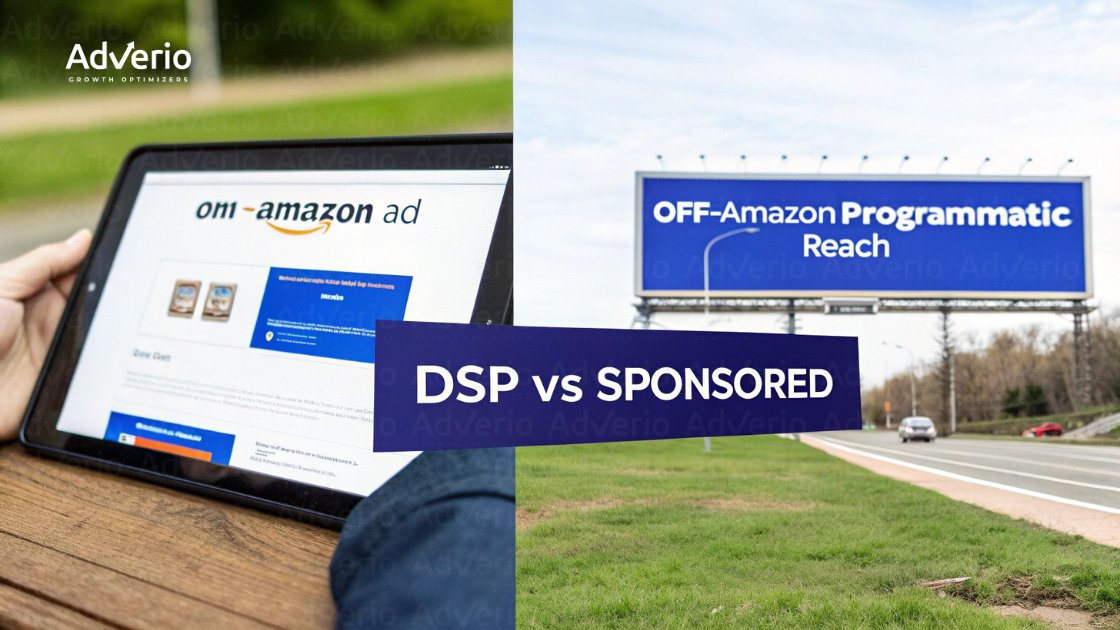
This is one of the most common points of confusion for brands: aren’t Amazon DSP and Sponsored Display just two names for the same thing?
The answer is a hard no. While they both serve display ads, their strategic purpose and scale are worlds apart. Confusing them is like mistaking a scalpel for a sledgehammer—both are tools, but you’ll get disastrous results if you use the wrong one for the job.
Think of Sponsored Display as a vital tool in your on-Amazon toolkit. It’s a self-service option, right inside your ad console, that excels at mid-funnel retargeting and defending your product pages. It’s effective for what it does, but its scope is intentionally limited to the Amazon ecosystem.
Amazon DSP, on the other hand, is the heavy artillery. It’s a full-funnel, programmatic advertising platform that extends your brand’s reach far beyond Amazon’s digital borders. This is about market expansion, not just marketplace defense.
Core Strategic Differences
The fundamental distinction comes down to reach and audience intelligence. Sponsored Display operates almost entirely within Amazon’s walled garden. It’s built to re-engage shoppers who viewed your product pages or to place ads on competitors’ listings.
DSP operates on an entirely different scale. It taps into Amazon’s colossal first-party data to build sophisticated audience segments, then deploys ads across the entire open web. This includes Amazon-owned properties like Twitch and IMDb, plus thousands of third-party websites, apps, and even connected TV platforms.
DSP operates at a broader scale than Sponsored Display.. It’s the difference between reacting to existing demand and proactively creating it.
This leap from on-platform retargeting to off-platform audience building is what separates growing brands from true market leaders. To get a handle on the tactical differences, our guide to Amazon Sponsored Display ads provides a detailed breakdown of that specific tool’s capabilities.
A Head-to-Head Comparison
To make the choice crystal clear, let’s break down the practical differences. This isn’t just a feature list; it’s a strategic map that shows you exactly when and why you’d deploy each tool.
Amazon DSP vs Sponsored Display Strategic Differences
| Feature | Sponsored Display Ads | Amazon DSP Ads |
|---|---|---|
| Service Model | Self-service via Seller Central or Ad Console | Managed service (via Amazon or an agency) |
| Primary Goal | On-Amazon consideration and conversion (mid/low funnel) | Full-funnel brand building, awareness, and reach |
| Ad Inventory | Primarily on Amazon’s website and app | On and off Amazon (third-party sites, apps, CTV) |
| Audience Targeting | Basic retargeting (product views, purchases) & contextual | Advanced audiences (lifestyle, in-market, lookalike) |
| Creative Formats | Standard, auto-generated display creative | Custom display, video, and audio ad formats |
| Budget | Flexible, lower entry point | Higher investment required for meaningful results |
| Reporting | Standard on-Amazon metrics (sales, ACoS) | Advanced metrics (reach, brand lift, off-Amazon actions) |
Ultimately, Sponsored Display is a reactive tool designed to recapture existing interest on Amazon. Amazon DSP ads are proactive, built to find new customers, build brand affinity, and drive growth from the very top of the funnel all the way down.
They aren’t interchangeable, they are complementary pieces of a complete Amazon growth engine. Recognizing when your brand’s ambitions have outgrown the capabilities of Sponsored Display is the first real step toward true market expansion.
Unlocking The Power Of DSP Targeting And Ad Inventory
Sponsored Ads are simple. A shopper types a keyword, your ad shows up. It’s a reactive game of capturing existing demand. Amazon DSP plays on a completely different field. It’s not about waiting for a search; it’s about proactively engineering a connection with a highly specific person, no matter where they are online.
This is where Amazon’s first-party data becomes a brand’s most powerful offensive weapon. Instead of guessing who might be interested, DSP lets you build audiences based on what people actually do—browse, click, add to cart, and buy. You move past flimsy demographics and target real purchase intent, brand affinity, and specific lifestyle signals.
Building Audiences With Surgical Precision
The targeting options inside Amazon DSP are what truly set it apart. You’re not just aiming at general interests; you’re reaching people based on what Amazon knows they actually do on its platform.
Here are the core audience types you can build:
-
In-Market Audiences: Target shoppers actively browsing and showing strong signals of being “in the market” for a product like yours, based on their recent searches and competitor page views.
-
Lifestyle Audiences: Reach consumers based on their established shopping patterns. Think “eco-conscious shoppers,” “new parents,” or “luxury beauty enthusiasts.” This aligns your brand with their identity, not just their immediate needs.
-
Lookalike Audiences: Give Amazon DSP a seed audience—like your past purchasers—and it will find millions of similar users across the web who behave just like them. It’s the fastest way to find more of your best customers.
-
Retargeting Audiences: Re-engage users who visited your product pages, added items to their cart but didn’t buy, or interacted with your brand in any way on or off Amazon. This is non-negotiable.
This level of precision is a game-changer. Our guide on how to use the Amazon Demand-Side Platform (DSP) dives much deeper into the tactical side of building and deploying these audience strategies.
Expanding Your Reach Beyond Amazon’s Borders
The second pillar of DSP’s power is its massive ad inventory. Your campaigns aren’t stuck on Amazon.com. They’re programmatic, meaning they can show up across a huge network of websites, apps, and streaming services.
This is how brands graduate from simply selling on a marketplace to building a true omnichannel presence. To do this without blowing your budget, you have to get comfortable with the pricing models. A good first step is to master the calculation of CPM so you can plan effectively for this kind of expansive reach.
Through major strategic partnerships, Amazon DSP’s reach has exploded. The platform now reaches an average monthly ad-supported audience of over 300 million users in the US alone. Deals with companies like Netflix, Disney (for Disney+, ESPN, Hulu), and Roku have unlocked premium connected TV inventory. On top of that, collaborations with Spotify, SiriusXM, and iHeart have opened the door to massive audio advertising opportunities.
This isn’t about showing ads on random blogs. It’s about securing premium placements on platforms like Netflix and Hulu where your ideal customer is already spending hours of their time.
This expands where and how your brand shows up online. You’re no longer waiting for customers to find you on Amazon; you’re building brand recognition and desire across their entire digital life. This kind of omnipresence is what separates market leaders from everyone else.
Building A Winning Full-Funnel Amazon DSP Strategy
Theory is useless without action. Knowing what Amazon DSP can do isn’t enough; you need a strategic framework to make it work for your brand. A winning DSP strategy isn’t about running disconnected campaigns. It’s about building a cohesive, full-funnel machine that guides customers from initial awareness to loyal, repeat purchases.
This approach stops you from blindly chasing short-term metrics like ROAS and instead focuses on systematically growing your entire business. It forces you to map every campaign to a specific stage of the customer journey, ensuring every dollar spent has a clear and deliberate purpose.
DSP performs best when paired with disciplined execution inside Amazon. That’s why Adverio integrates DSP with its Amazon PPC Management Services to capture and convert the demand it creates.
Unlike Sponsored Ads, which mostly live at the bottom of the funnel, a proper DSP strategy engages shoppers at every single stage.
Top Of Funnel (ToFu): Awareness And Demand Creation
At the top of the funnel, your audience doesn’t even know you exist. The goal here isn’t to make a sale; it’s to make an impression. You need to introduce your brand to new, high-potential audiences who fit your ideal customer profile but aren’t actively searching for your products yet.
This is where you put DSP’s powerful audience-building tools to work:
-
In-Market Audiences: Reach shoppers who are actively browsing categories related to yours.
-
Lifestyle Audiences: Target users based on their long-term shopping habits and interests, like “fitness enthusiasts” or “eco-conscious consumers.”
-
Lookalike Audiences: Find brand-new customers who behave just like your best existing ones.
The workhorse ad formats for this stage are video and display ads. Your creative must be brand-focused, telling a compelling story and highlighting what makes you different. The goal is reach and recall, not immediate clicks. This is how you start filling the pipeline for future growth.
Middle Of Funnel (MoFu): Consideration And Re-Engagement
Once a shopper is aware of your brand, the focus shifts to nurturing their interest. This mid-funnel stage is all about re-engaging users who have shown some level of intent but haven’t pulled the trigger. They might have visited your product page, watched one of your video ads, or browsed your category.
This is where retargeting becomes your primary weapon. With DSP, you can run sophisticated retargeting campaigns that go far beyond what Sponsored Display offers. You can segment audiences based on specific actions—like adding an item to their cart but not buying—and serve them tailored ads across the web.
The middle of the funnel is where you turn passive awareness into active consideration. It’s about staying top-of-mind and reminding interested shoppers why your brand is the right choice.
This is also where you can get more granular with your creative. Show them the specific product they viewed or offer a slightly different angle that addresses potential buying obstacles. The key is to be persistent without being annoying, guiding them closer to a purchase decision.
Bottom Of Funnel (BoFu): Conversion And Loyalty
The bottom of the funnel is where the sale happens. These are high-intent shoppers who are ready to buy. While Sponsored Ads are the workhorse here, DSP plays a critical role in closing the loop and, just as importantly, maximizing customer lifetime value.
You can use DSP to retarget cart abandoners with a final, compelling offer. But where it really shines is in post-purchase engagement.
-
Cross-Selling: Target past purchasers of one product with ads for complementary items they’ll probably love.
-
Upselling: Encourage repeat buyers to try a premium version of a product they already use.
-
Building Loyalty: Use audiences of past purchasers to announce new product launches, keeping them locked into your brand’s ecosystem.
This holistic approach is broken down tactically in our comprehensive guide to enhancing your reach with Amazon DSP ads, which details the execution of these funnel stages.
This diagram shows how DSP deploys ads across different channels to meet customers at every touchpoint.
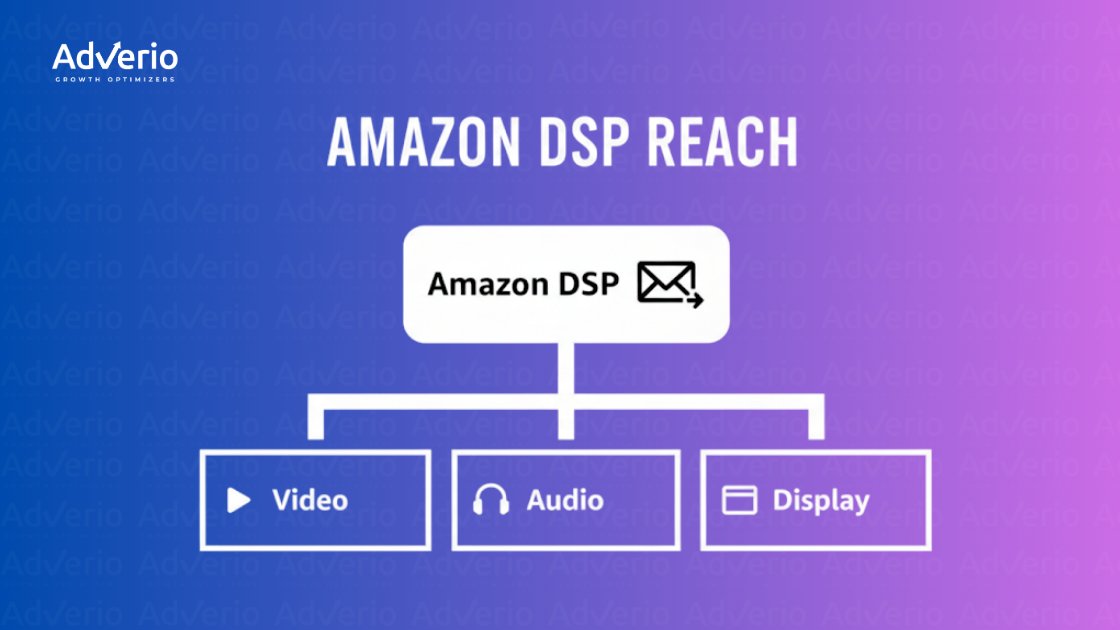
It illustrates the platform’s ability to orchestrate a true omnichannel presence, moving beyond simple display ads to create a complete brand experience. By aligning your strategy with the full funnel, you transform DSP from just another advertising tool into a predictable engine for sustainable growth.
Common DSP Pitfalls And How To Avoid Them
Let’s be direct. Amazon DSP rewards strategy, and punishes guesswork. Many brands, and even some agencies, fall into the same costly traps by treating DSP like an extension of their PPC campaigns. Then they wonder why their investment evaporates with little to show for it.
These aren’t minor tactical errors; they are fundamental strategic blunders that kill momentum and burn through your budget. To get it right, you have to shift your mindset from chasing simple metrics to executing a deliberate, full-funnel growth plan. It’s time to call out the common mistakes that keep brands stuck in a cycle of disappointing results.
Avoiding these DSP mistakes requires a full-funnel Amazon growth strategy—one that connects awareness, consideration, conversion, and lifetime value into a single system.
The Trap Of Optimization Myopia
This is the number one pitfall we see. Optimization Myopia is the obsessive focus on a single, bottom-funnel metric—usually ROAS (Return on Ad Spend)—at the expense of all other strategic goals. It’s the flawed logic of treating a top-funnel awareness campaign like a bottom-funnel conversion driver.
When you demand a 5x ROAS from a campaign designed to introduce your brand to new audiences, you’re setting it up to fail. Top-funnel campaigns should be measured by reach, brand recall, and share of voice. Judging them by immediate sales is like planting a seed and getting angry it’s not a tree the next day. This flawed approach guarantees you’ll never build a sustainable customer pipeline.
The Pitfall Of Weak Audience Segmentation
Another common error is lazy audience segmentation. Lumping all your retargeting efforts into one giant bucket—like “people who viewed my product”—is a recipe for wasted spend. This one-size-fits-all approach ignores crucial differences in user intent.
A winning strategy requires granular segmentation:
-
Cart Abandoners: These are high-intent shoppers who just need a final push. They should see different creative than someone who only glanced at your page.
-
Past Purchasers: Don’t ignore your existing customers. Use DSP to cross-sell complementary products or introduce new lines, boosting customer lifetime value.
-
High-Engagement Viewers: Segment users who watched 75% or more of your video ad. They’ve shown strong interest and are prime candidates for more targeted, direct messaging.
Failing to segment properly means you’re delivering the wrong message to the right people at the wrong time. It’s an inefficient use of a precision tool.
Ignoring The Power Of Creative
In programmatic advertising, creative isn’t just decoration—it’s a core driver of performance. Too many brands run generic, uninspired display or video ads that get completely ignored. Your creative must be tailored to both the audience and their stage in the funnel.
A top-of-funnel video ad should tell your brand’s story and create an emotional connection. A bottom-of-funnel display ad for a cart abandoner should be direct, featuring the exact product they left behind and a clear call to action.
If your creative is an afterthought, your entire campaign will suffer. Investing in high-quality video and dynamic display ads that resonate with your target audiences isn’t optional; it’s essential for getting any real return from your DSP spend. These pitfalls highlight why many brands question if the platform is right for them, but the problem is rarely the tool itself. If you’re weighing the pros and cons, our analysis on whether Amazon DSP is worth it can provide clarity on when the investment makes strategic sense. Ultimately, success with Amazon DSP ads comes down to avoiding these common but costly errors and committing to a truly strategic, full-funnel approach.
Why You Need A Specialized Amazon DSP Agency
Let’s be blunt: trying to manage Amazon DSP effectively as a side project for your already-stretched internal team is a recipe for disaster. Its strategic depth and complexity demand a dedicated team of experts—people obsessed with full-funnel growth, not just vanity metrics.
The pitfalls we’ve covered, from Optimization Myopia to weak creative, aren’t minor mistakes. They’re symptoms of a much bigger problem. Most brands lack the specialized expertise, advanced analytics tools, and sheer bandwidth needed to pull off a sophisticated DSP strategy. The result is almost always the same: wasted ad spend, stalled market share, and a massive missed opportunity.
Moving From Guesswork To Predictable Growth
A true partner flips the script from reactive to proactive. You gain a team focused on execution, measurement, and outcomes.
This isn’t about outsourcing a task; it’s about embedding a team of growth experts into your business. A real partner brings:
-
Deep Expertise: They navigate the insane nuances of DSP’s targeting, bidding, and attribution models to squeeze maximum value out of every single dollar.
-
Strategic Frameworks: They implement proven methodologies, like our Growth Cultivator, to connect top-of-funnel awareness with bottom-of-funnel sales.
-
Advanced Analytics: They use proprietary systems to deliver full-funnel reporting that surfaces profit opportunities your standard dashboards will always miss.
The right agency doesn’t just manage your Amazon DSP ads; they own the outcome. They move you from wondering if your ads are working to knowing exactly how they contribute to your bottom line.
Choosing the best Amazon DSP agency means you stop leaving growth to chance. It’s the logical next step for leaders who are done guessing and are ready to start scaling with a partner who guarantees results.
If you’re ready for a clear, data-backed roadmap showing what that growth could look like for your brand, it’s time for a real conversation.
How Adverio Turns Amazon DSP Into Predictable Growth
Amazon DSP only works when it’s tied to profit, not vanity metrics. Adverio integrates DSP into its Growth Cultivator framework, connecting audience strategy, creative, PPC, and incrementality reporting into one full-funnel system.
Adverio’s Amazon DSP Management Services are built for brands that need full-funnel growth tied directly to profit and market share, not isolated ad metrics.
Our team doesn’t just run ads. We model DSP impact before spend, align campaigns to lifecycle stages, and report on real market share movement, not just ROAS.
If DSP is going to work, it has to work financially. That’s what we build.
Got Questions About Amazon DSP? We’ve Got Answers.
We’ve walked through the strategy, the pitfalls, and why you can’t afford to just “wing it” with a platform this powerful. But you probably still have some specific questions.
Let’s clear up the most common ones we hear from brand leaders about Amazon DSP ads. Here are the straight answers you’re looking for.
What Is Amazon DSP Exactly?
Think of Amazon DSP (Demand-Side Platform) as Amazon’s tool for buying ads all over the internet, not just on Amazon.com. It’s a programmatic ad platform that lets you buy display, video, and audio ads to find your perfect customer, wherever they happen to be browsing.
Unlike the Sponsored Ads you’re used to—which are all about keywords—DSP is all about audiences. It targets people based on what they buy, what they browse, their demographics, and their lifestyle. It’s a full-funnel machine designed to build your brand way beyond the marketplace.
Is Amazon DSP Worth It For My Brand?
DSP is absolutely worth it if your goal is strategic, long-term growth, not just chasing the next sale. It’s the right move when you need to build brand awareness, find new audiences who’ve never heard of you, and follow high-intent shoppers around the web to bring them back.
For established brands with $3M+ in annual revenue, DSP is how you scale market share and build a customer base that isn’t just transactional. If you feel like you’ve hit a wall with PPC, this is how you break through. It’s an offensive play, not a defensive one.
Think of it this way: PPC captures existing demand. DSP creates new demand. For brands that have hit a growth ceiling, creating that new demand is the only way forward.
How Much Does It Cost To Use Amazon DSP?
Because Amazon DSP is a managed service—either through Amazon itself or a specialized agency—it’s not a small-budget tool. While the official minimums have become more flexible, a campaign that’s actually going to move the needle needs a real commitment. You should plan for $35,000-$50,000+ to get started.
That budget is what it takes to gather enough data for the algorithms to learn and for you to see real results. This isn’t about bottom-funnel clicks; it’s a strategic investment in influencing the entire customer journey and growing your piece of the pie.
Can I Use Amazon DSP Without Selling On Amazon?
Yes, and this is one of its most powerful and overlooked features. You can absolutely use Amazon DSP to send traffic directly to your own DTC website. You get to tap into Amazon’s incredible first-party audience data to find your ideal customers across the web and send them straight to your own domain.
This makes DSP an essential tool for any omnichannel brand. It lets you leverage Amazon’s unmatched consumer intelligence to grow your off-Amazon presence, so you’re not entirely dependent on the marketplace for your success.
Ready to stop guessing and start building a predictable growth engine with Amazon DSP? The team at Adverio provides the strategic expertise and proprietary frameworks to turn your ad spend into measurable market share.