Your next 90 days on Amazon and beyond.
Built from public data on November 4, 2026. A sample, with simulated figures.
- 1,235 checkpoints read
- 247 data points per listing
- 135 spoken questions tested
- 15 AI answers checked
Where profit is leaking, what we'd change first, and where day 90 takes you.
Walk the planOr skip to the next step →
Where Your Brand stands today.
Your top 5 products, price position and reviews, read from public data. Revenue figures are third-party estimates, and your own numbers replace them on the call.


We'd confirm each one with you, and optimize for it.
Your top product carries 43% of top 5 sales, and your top 2 carry 69%.
What we found about Your Brand.
We looked past Amazon first. Your site, your story, your channels and what people say about you.
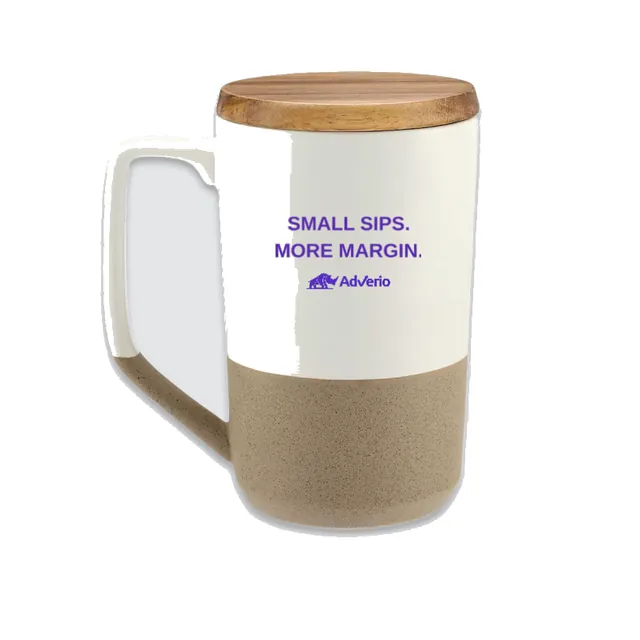
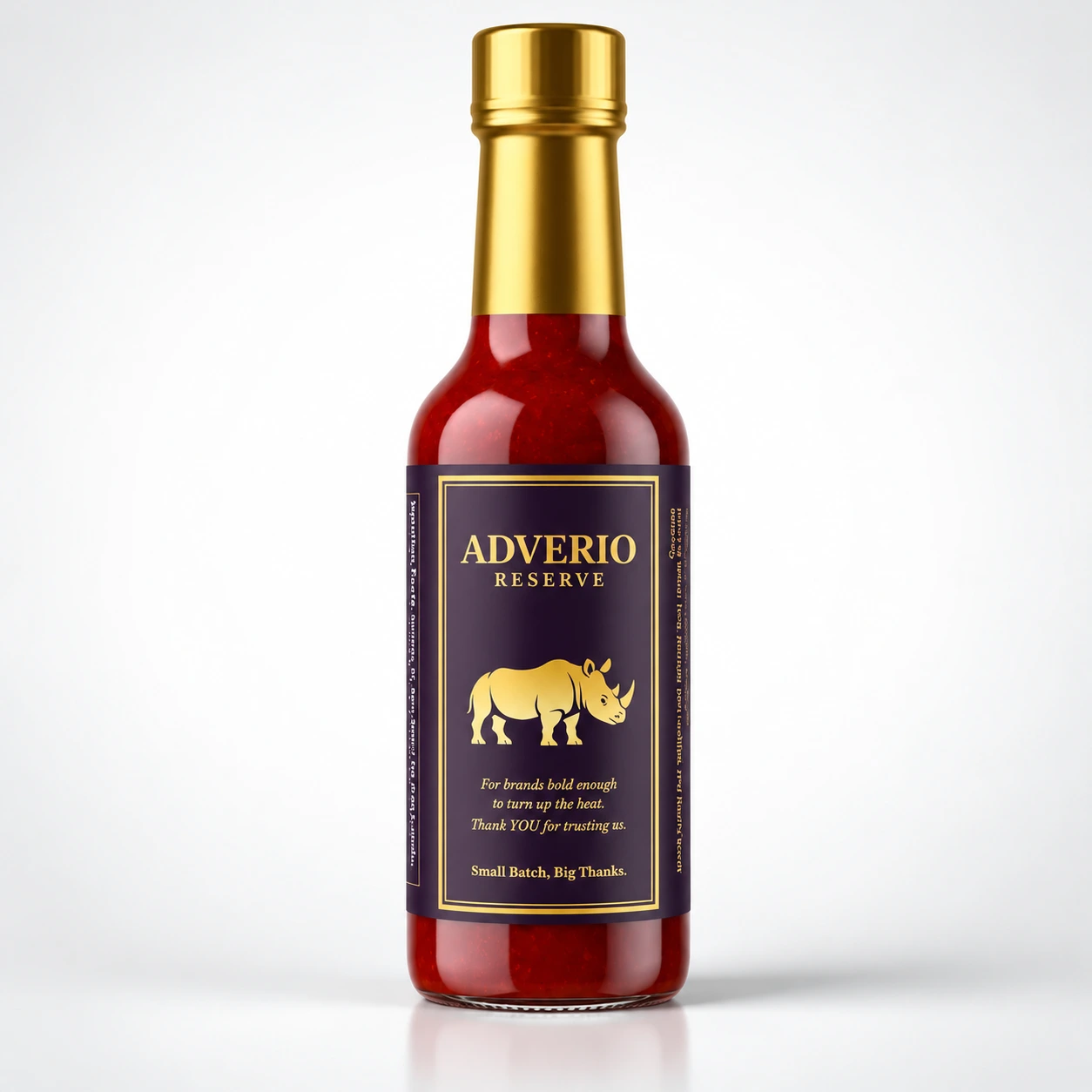
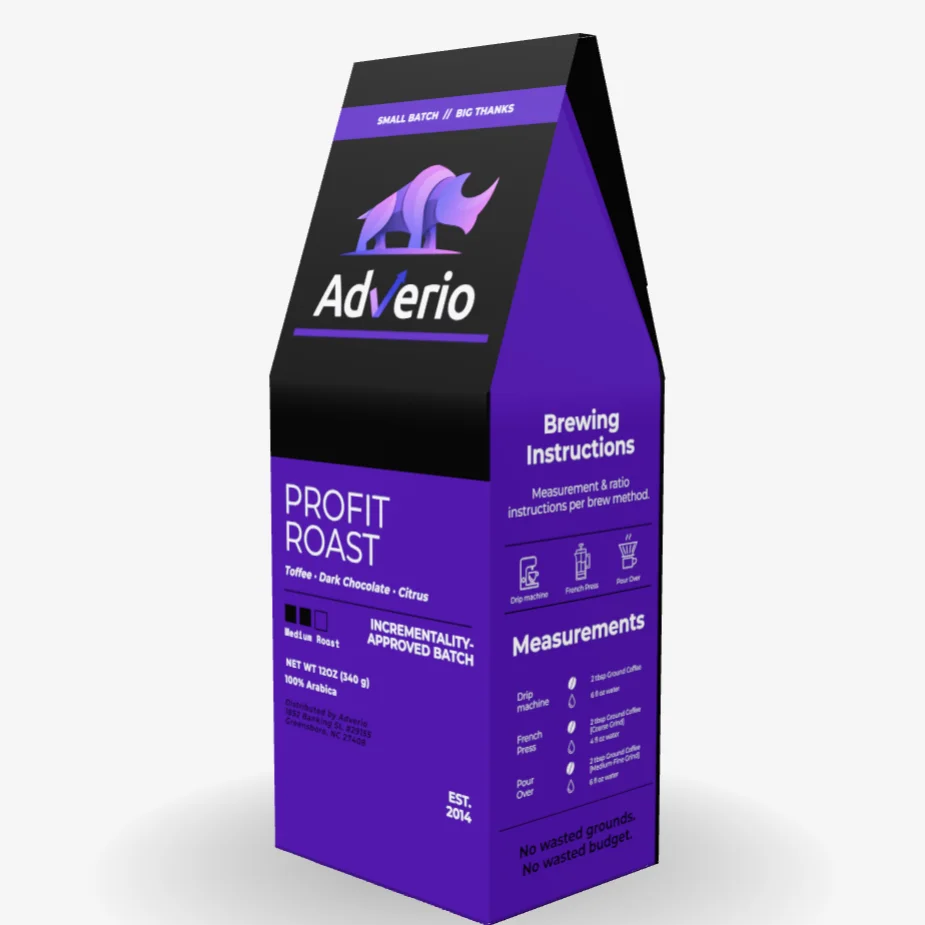
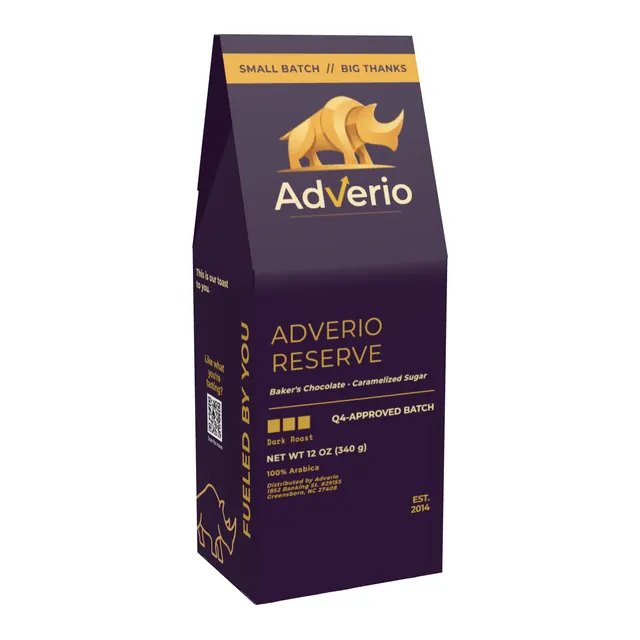
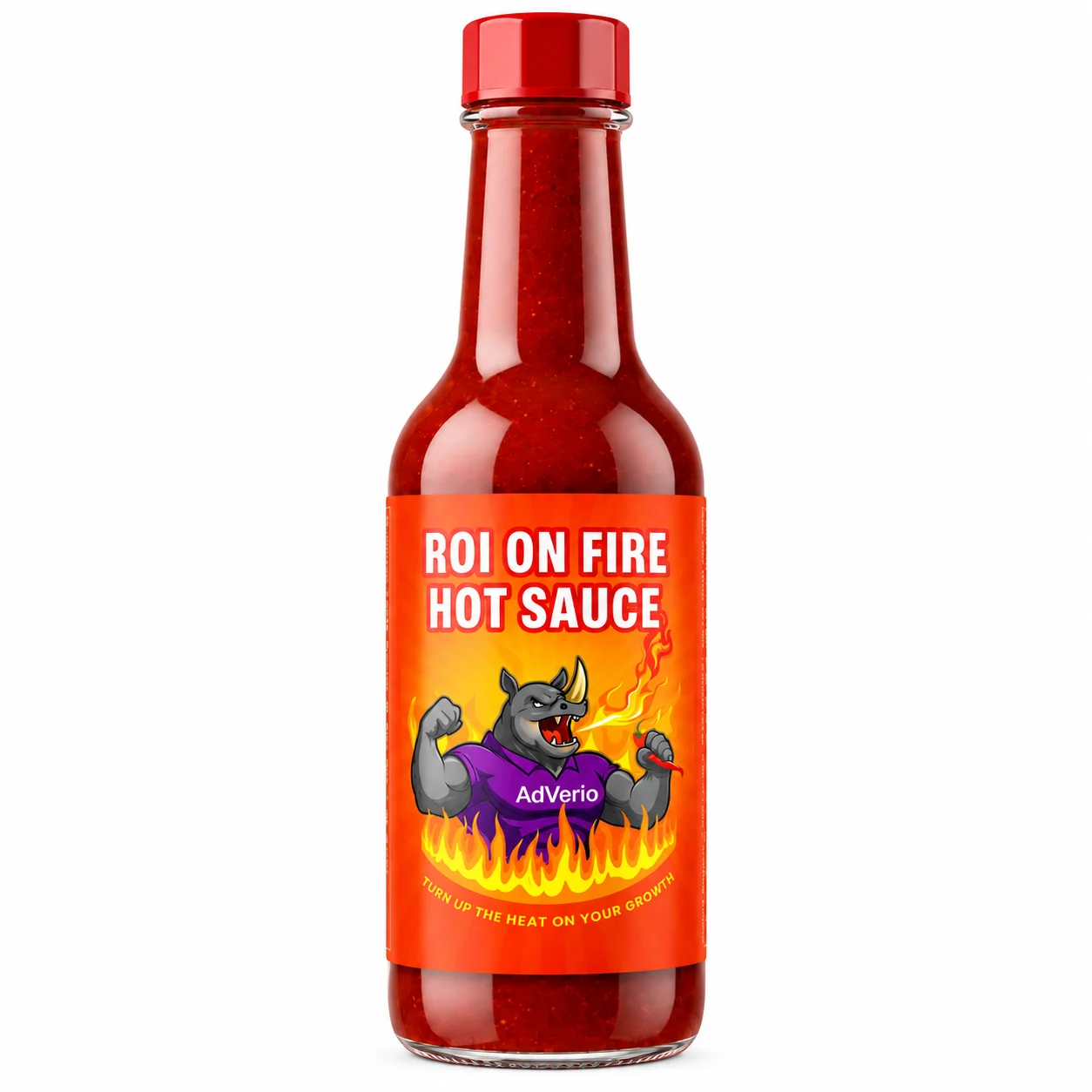
Coffee, hot sauce and a mug made for people who run brands, roasted and bottled in small batches.
- History300+ brands since 2014, and 350,000+ SKUs under management.
- Social60+ verified reviews across Clutch, Upwork and YouTube.
- StoryClutch Top Amazon Advertising Company, 2026.
- StoryFour origins in the everyday roast, each cupped between 83 and 88.
- StoryA holiday batch, Adverio Reserve, roasted once a year.
- StoryROI on Fire hot sauce, 5 fl oz, on the goods page.
Strengths first, then where the growth is.
A SWOT from public data, and the starting point for the plan.
- 560 ratings at 4.5 to 4.8 stars across your top 5.
- Priced under the shelf median of $23.80.
- Your top product carries 43% of top 5 sales and your top 2 carry 69%, so growing the next 3 spreads the weight.
- AI answers for your category name Starbucks 11 times out of 15. Your listings can earn a place there.
- 109 questions shoppers ask out loud that your listings could answer next.
- 72 questions Amazon's AI shopper (Alexa for Shopping) searches for that your listings could answer in full.
- Non-gmo, protein per serving and calories per serving in the product details AI shoppers read, front end and back end, on every top listing.
- Share of ad spend matched to share of sales, product by product.
- Top of search and product pages untangled, so each placement is bid on what it earns.
- Every term and target rationalized on its likelihood to convert.
- Bundles and cross-sell built from what your buyers put in the same cart.
- Catalog hygiene across variations, categories and attributes.
- Starbucks, Lifeboost and Green Mountain lead the AI answers for your category.
- Java Factory adds the most reviews on your shelf, 110 a month.
- 68 listings compete on your main search.
Each one is a move a competitor can make. The plan below answers it.
How Your Brand reads on the shelf at phone size.
Shoppers scroll search results on a phone, where each product shows about this big. Here's your top product beside the brands on your core search, at that size.


Which one would you pick at a glance?
We make the product, the size and the main benefit readable at this size, image by image, highest revenue impact first.
Where you are today, and where day 90 takes you.
The chart is directional. The lift starts at week 6, and the rows below are the specifics your numbers fill in.
Today's fill shows how far along each area is. Green is strong, amber is building, purple has the most room to grow. Day 90 is the target.
Three ways shoppers find Your Brand, and how we'd tune each one.
The same listing serves all three. We measured what each one finds today.
Traditional search. Reads the copy, images, video, reviews and price.
Alexa for Shopping, buying on someone's behalf. Confirms facts in the product details.
Voice search. Alexa reads one line back.
Off Amazon, ChatGPT, Gemini and Perplexity named Your Brand in 0 of 15 category answers.
What an AI shopper finds on your Adverio Profit Roast page today.
It's the everyday medium roast.
A balanced cup with toffee and chocolate notes. Caffeine content and acidity are not stated.
I couldn't find that on the product page.
We ran the questions shoppers ask through your live product page. This is what comes back.
- Your page answers 3 of the 75 questions an AI shopper checks in full.
- When an answer is missing, the AI shopper moves on to a listing that has it.
- It reads your title, bullets and A+. Amazon's image and video AI can also read the words on screen, so your images and videos count too.
The fix. This page has no video, and 12 questions are still open. One product video with the key answers written on screen can cover many of them at once, like what it does, how it's used and what's in the box. We'd add it to your top product first.
Where Your Brand is strong, and where we focus first.
Every shopper moves through the same 5 stages. The fill shows how much of each one you already hold. These figures are simulated for the sample. Your scan replaces every stage.
Shoppers and AI build their shortlist.
Shoppers compare your listing with the ones beside it.
Shoppers decide on the page, the price and the offer.
Buyers come back, or subscribe.
Buyers review you and recommend you.
You're strongest at Purchase (5 of 5). We focus on Consideration first, then Awareness, because the earlier stages decide how many shoppers reach the rest.
What we'd work on, in order.
The number is the order, set by revenue impact. The color is where each area stands today.
We build A+ and video for the listings carrying your revenue.
We install the post-purchase program that closes it.
We set the standard for your category, then build each listing to it.
Measured again on the same questions after the listing work.
Every top listing carries the details an AI shopper checks.
The most-asked questions in all 5 intents answered on the page.
Green is strong, amber is building, purple has the most room to grow. The order follows revenue impact, not color.
Rewrite the copy around the questions buyers ask, highest revenue impact first.
We build A+ and video for the listings carrying your revenue, answering the buyer questions the bullets can't.
It comes first because your top 5 products carry about $21K a month, so the work lands on revenue you already have.
Your top listing, rendered from the live page on November 4, 2026. Tap to switch between what a shopper sees and what an AI shopper reads. Open the live listing
The first 90 days, step by step.

Full account access. We save every campaign, connect Amazon Marketing Cloud and pull 2 years of data for a year-over-year baseline.
Share of spend against share of sales, and your market share by impression, click and conversion share against the brands beside you.
Strategy session with you. Budgets, the ad spend range from your margin, the scoreboard and the 90-day priorities, signed off together.
The strategy is signed off and the baseline is logged. Nothing scales before this.
Untangle top of search and product pages, so each placement is bid on what it earns.
Rationalize every term and target on its likelihood to convert. Some earn more budget, some move to product pages, and the ones that don't make economic sense stop.
Bring your top listings up to your category's standard, highest revenue impact first, and answer the questions shoppers and Amazon's AI ask.
Full deployment of the strategy. We optimize what's already working and add search, brand and video ads where your share can grow.
Orders, search terms and returns against the baseline. Spend stops where a listing can't convert.
Market basket. What your buyers put in the same cart becomes bundles, multipacks and cross-sell ads.
Product expansion. The next products, variations and packaging updates your buyers already search for, sized against demand.
Review growth. New reviews through Amazon's own programs, reviews brought together across channels, and removal requests where a review breaks Amazon's rules.
Category refinement, so every product sits in the right category and variation family.
Your quarterly business review. Results against the baseline, what shipped, and the next 90 days, agreed together.
 ADVERIO12
Spend follows sales, product by product.
Your share of sales is public. Your share of ad spend opens with account access, and we pull it in the first week.
146 searches where your ad shows with no organic rank behind it yet.
We line the two up, so ads hold what organic can't yet and step back where organic already wins.
Two tests set each product's budget. Share of ad spend against share of sales shows where a product takes more budget than it earns. Ad conversion against total conversion shows whether the ads bring shoppers who buy as well as the ones who find you on their own.
What else your buyers reach for, and what to add next.
An illustration from your catalog and your category. With access, your own cart data replaces it and decides the bundles, the cross-sell and the next product.
- A ceramic pour-over dripperThe same buyer, the same morning.New product idea
- A 2 lb bag of the same roastThe repeat buyer's size.New product idea
- A handheld milk frotherOne aisle over, same cart.New product idea
- A burr grinderEvery whole-bean buyer needs one.New product idea
What 3, 6 and 12 months look like, built from your numbers.
This sample belongs to another account, so there's nothing to anchor to yet. Yours comes from the Revenue Impact Formula once we see your data.
Market share, one of the ways to measure us.
Of every 100 shoppers who search for what you sell, how many see you, click you and buy from you. It sits on the scoreboard beside profit, margin and incremental lift.
How you'll keep score on us.
Simulated from your public revenue estimate, with sample margins. Your account replaces every figure on day 1, and we set the goals with you.
Goals are set with you on the call, against a baseline window we both agree on. Green is the goal we'd set. Amber builds past day 90.
We've done this before, for brands in your situation.
Figures quoted from the live case studies on adverio.io. Different categories, similar starting points.

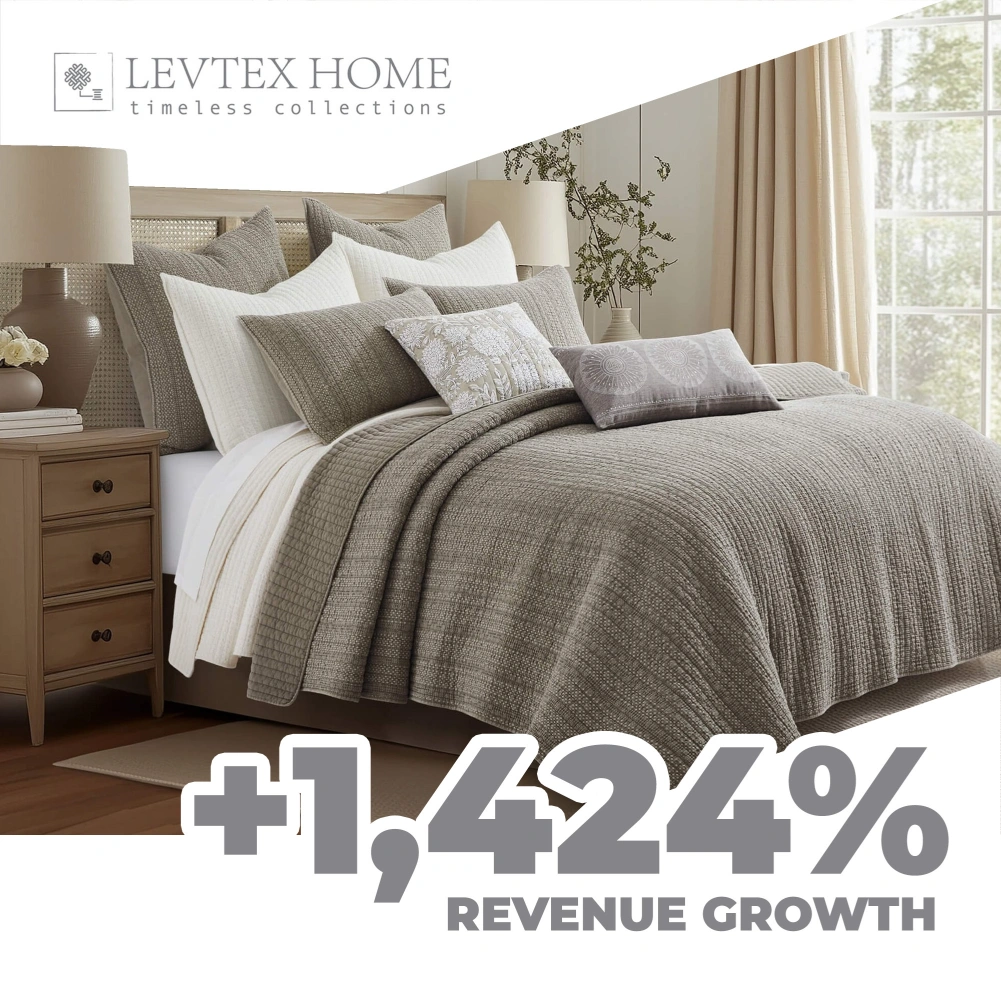

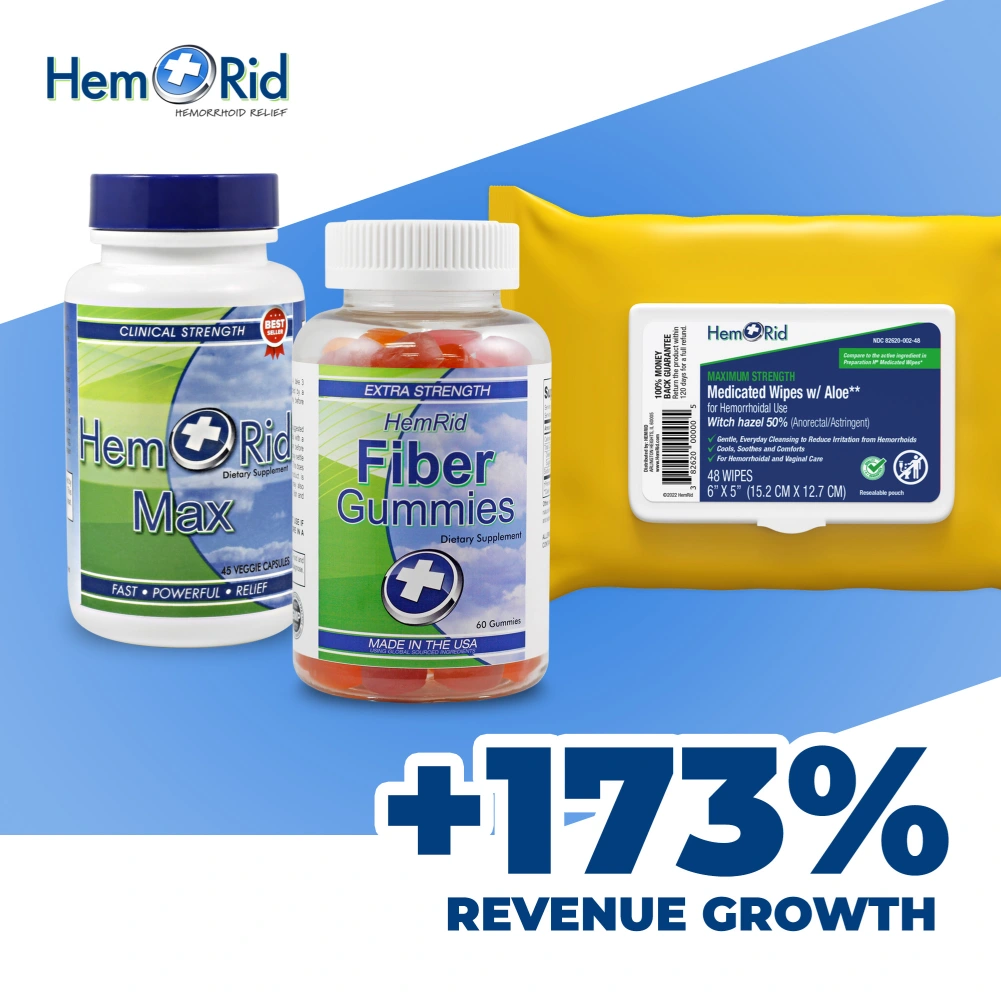


4.9 stars across 60+ verified reviews.
Clutch, video and direct client reviews. The quotes are word for word.
“The team is willing to get in the weeds, which I love. I loved their approach to incrementality and full channel ownership.”
Jens Nicolaysen, CMO and Co-Founder, ShinestyClutch review“They're able to identify our issues and implement a strategy to resolve these gaps immediately.”
David Yazdi, MedichicClutch review“I always feel like I am in good hands with ideas to grow.”
Mitch McPhedrain, President, Mary MaximClutch reviewMost of what decides your profit doesn't show up in your marketplace dashboards. That's where we work.
We started in 2014 selling our own products and learned that a strong sales report can hide a shrinking margin. It shows up on your account six ways. Like the rhino, each piece only works because the others are in place.
Promotions, coupons, dynamic pricing, ad spend, you name it. We measure incrementality, whether each dollar produced net new sales or cannibalized organic sales you'd have made anyway.
A Brand Strategist matched to your category, with ads, catalog, conversion and project managers behind them. Five brands a pod at most, and you meet your strategist before you sign.
Amazon reports placement by campaign, not by term or target, so by design it commingles which targets win on top of search and which convert better on the product page. Running the two apart is usually one of our first major moves for trimming your TACoS, and we've never seen it in anyone else's report or logic.


Every listing is written for the person scrolling, the person asking Alexa, and the AI shopper buying on someone's behalf.
Amazon, Target, TikTok Shop, and Walmart run as one system with one point of contact, so a price move or media budget shift on one shelf can't quietly break another.
If a target won't pay off, we say so before we spend against it. When a number dips, you hear it from us first, with the reason and what changes next.
A few answers turn these estimates into your numbers.
We'd rather ask than guess. Your answers feed the Revenue Impact Formula, which sizes each step of the plan in your own figures.
What does each top product earn after Amazon's fees and your landed cost?
Which product do you most want to grow in the next 90 days, and which one do you protect?
What's in stock and on the way, by location?
What have you tried on ads that worked, and what would you never do again?
Where else do you sell today, and which channel do you want to grow next?
Are there claims, ingredients or brand rules we need to clear before we write?
- ✓How much of your category demand you can realistically win
- ✓Your conversion rate against the category, and where it leaks
- ✓Which products to bundle, and which brand finishes your buyers' carts
- ✓What a conservative lift looks like at 3, 6 and 12 months
- ✓Where margin leaks across fees, returns and freight
- ✓What we'd change first, and why that
The questions brands ask on the first call.
Who would run our account?
A pod, never one person. Your Brand Strategist is matched to your catalog and category and is your main contact. Behind them sit an ads manager, a catalog manager, a conversion manager, and a project manager running everything in Basecamp, where you can see every task, who owns it, and when it ships. Our managers have been with Adverio more than 2 years and worked in the field for years before that. Each pod handles up to 5 brands, and you meet your strategist before you sign.
We run it in-house. What would you add?
An in-house team only sees what's inside one account, and it's usually stretched across channels. Seller Central also doesn't show when an AI shopper recommends a competitor or which buyer questions your listings leave unanswered. Many brands have us take the load end to end. Some prefer a list of exactly what to fix on each listing so their team does the work.
Is the AI shopper chat Amazon's own answer?
No. It's simulated from your live product page, using the questions shoppers ask and the words already on your page. Amazon's assistant may word things differently. On the call we can ask it the same questions live, together.
Why Adverio and not the agency we have?
Most of what decides your profit doesn't show up in your marketplace dashboards. That's where we work, and the six ways it shows up on your account are on the Why Adverio page.
Will a brand our size have a team's full attention?
Yes. Your account sits with one pod that handles up to five brands, so a small team stays on your account. The range of products we've managed is why that team is good, since they start on your account already knowing what moves the needle in your category.
How will we know a video worked, and was worth it?
We measure it three ways. In week one, we rescore the AI shopper questions on that page. At 30 days, Amazon's video report shows views and how viewers convert. Then we compare the product's conversion before and after, against your products that didn't change, and show you the revenue it added.

























The brands behind the numbers. Be our next growth story.
ADVERIO23